Song Meaning
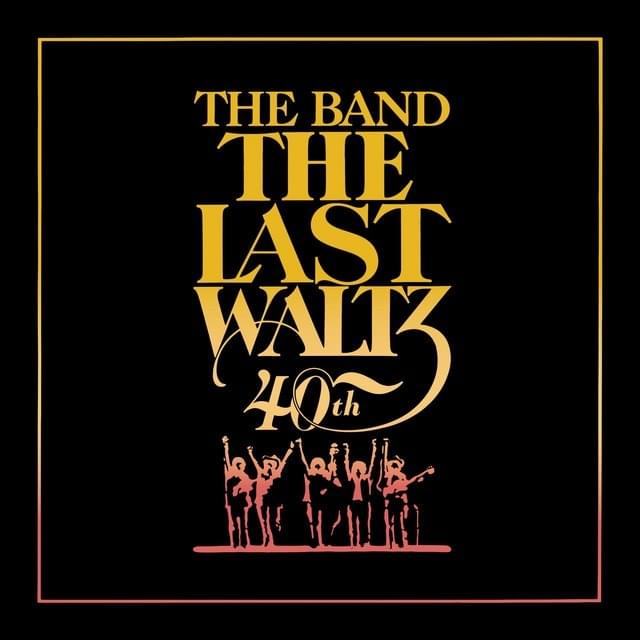
This refrain hinges on a poignant contradiction: the "last waltz" is happening, yet the narrator insists the "dance is over" is not the end. It’s a moment of finality within a larger, ongoing experience. The repetition of "last waltz" hammers home the significance of this particular, concluding dance, but the immediate follow-up, "But that don't mean," introduces a crucial counterpoint.
The central tension lies in distinguishing between the end of a specific event and the cessation of all associated joy or connection. The lyrics present a clear dichotomy between the "last waltz" and the "party." While the dance itself is concluding, the broader celebration or shared experience – the "party" – is explicitly stated to continue. This suggests a refusal to let a singular ending define the entire narrative.
The most striking craft element is the persistent, almost defiant, repetition of the phrase "But that don't mean." This refrain acts as a verbal anchor, pulling the listener away from the melancholic implication of a "last waltz." It’s a subtle but powerful rhetorical device, reframing the finality of the dance not as an absolute end, but as a transition point. The slight variation between "the dance is over" and "the party is over" further emphasizes this nuance, suggesting different aspects of the experience have distinct endpoints.
What makes these lyrics resonate is their gentle insistence on hope beyond a definitive conclusion. The narrator acknowledges the "last waltz" with a clear sense of its ending, but actively pushes back against the idea that this means total cessation. It’s a sophisticated way of articulating that even significant endings can coexist with continued life and shared moments, making the perceived finality feel less absolute and more like a pivot.
 View Artist