Song Meaning
The lyrics paint a stark picture of a city in decline, personified by a woman who has lost her place. The once-grand "Marquee is on the blacktop," a potent image of decay, suggests a former life of performance or prominence now reduced to rubble. Even the "church bells" and "choir" can't offer solace, as the narrator notes she "lost her faith," though she arrived with a "fighting weight," implying a struggle against overwhelming odds. The city itself is characterized by its diminished scale, with "streets don't run so wide" and "rolled up the sidewalks," signifying a loss of opportunity and vibrancy.
The central tension lies in the narrator's relationship with this dying city, a place she once knew intimately but now must bid farewell to. The repeated refrain, "Say hello, Say Goodbye to the city," captures this ambivalence – a forced acknowledgment of what was and a reluctant parting. The "Other Broadway Sign" serves as a marker for this forgotten or altered version of the city, a place where "no souls left standing where her body lies." This suggests a profound emptiness, a spiritual and physical desolation where human connection has evaporated.
The most striking aspect of the writing is the persistent contrast between past glory and present ruin. The narrator has "seen the sun" countless times, yet "it no longer shines," a powerful metaphor for lost hope and faded vitality. The repetition of "Say hello, Say Goodbye" becomes a mantra for this transition, blurring the lines between arrival and departure, between memory and reality. The final, drawn-out exchange of these phrases underscores the lingering, unresolved nature of this farewell, as if the narrator is caught in an endless loop of acknowledging what's lost.
What makes these lyrics resonate is their unflinching portrayal of loss and displacement. The specific images of decay – the blacktop marquee, the rolled-up sidewalks – ground the emotional weight in tangible details. The narrator's internal conflict, mirrored by the city's physical decay, creates a palpable sense of melancholy. It’s the quiet tragedy of a place, and perhaps a person, that has been left behind, its former brilliance now just a ghost on "the Other Broadway."
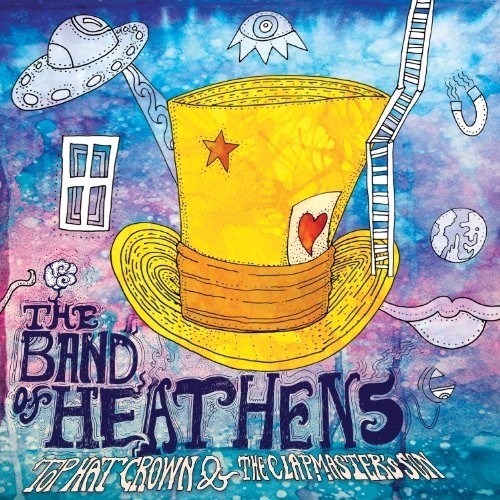
 View Artist