Song Meaning
The lyrics paint a stark contrast between the arrival of July and a perpetual, frozen landscape. This place, where trees remain green year-round and lakes are "lakes of steel frozen flat," seems resistant to the warmth and change July brings. The season is depicted as an invasive force, "smashing with her warm sun rays," disrupting the established, icy order and even affecting infrastructure like docks and highways. This sets up an immediate tension between the natural progression of time and a place that exists outside of it.
The central conflict emerges in the chorus, where July is personified as both a "young girl" and an "old world." This duality hints at the complex emotions her arrival stirs. While the narrator's "heart races when I see you nearing," this excitement is immediately undercut by the anticipation of "sad songs the mad songs / The everything is bad songs." The narrator desperately wishes for July to "fly away," suggesting a deep-seated fear of the disruption and negative emotions she inevitably brings, despite the initial allure.
The most striking craft element is the personification of July, not just as a season, but as a complex entity embodying both youthful energy and ancient weariness. This juxtaposition highlights the narrator's internal struggle. The "land of ice and snow" serves as a powerful metaphor for a state of emotional stasis or perhaps a past trauma, from which the narrator cannot escape, even as the external world changes. The mention of a lost "girl so fair" with "eyes of blue and golden hair" further anchors this feeling of past heartbreak, suggesting the narrator's current emotional landscape is permanently frozen.
Ultimately, these lyrics resonate because they capture the universal anxiety of change, especially when that change is tied to painful memories or emotional upheaval. The narrator’s plea for July to "fly away" isn't just about disliking summer; it's a desperate attempt to hold onto a fragile, frozen peace, even if that peace is built on sadness. The writing effectively uses the seasonal metaphor to explore a profound internal resistance to emotional thawing and the inevitable accompanying pain.
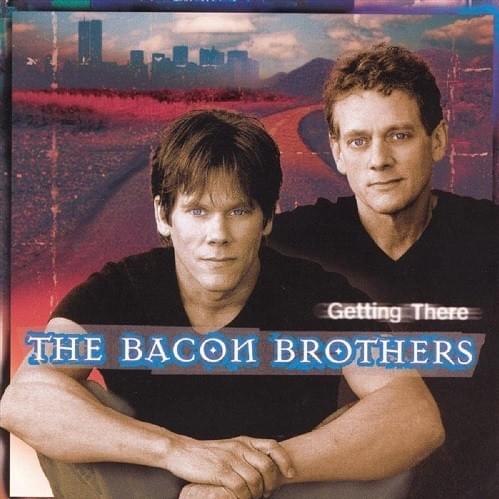
 View Artist