Song Meaning
This track is a bold declaration of pride for Sinaloa, painting a picture of a region and its people defined by strong loyalties and a passionate spirit. The narrator immediately establishes a connection to his homeland, stating "Yo vengo de Sinaloa" and describing himself as "muy atrabancado," suggesting a spirited, perhaps even reckless, nature. This energy is directly linked to the sound of the tambora, a traditional drum, which triggers an irresistible urge to dance, highlighting the vibrant cultural heartbeat of the place. The initial verses also introduce a playful, yet firm, approach to relationships, particularly with women, hinting at a complex dynamic of attraction and caution.
The core tension lies in the fierce loyalty demanded by the community and the narrator's own bold, fearless persona. The lyrics emphasize that in Sinaloa, "Amigo de los amigos / Compadre de los compadres," but betrayal is met with severe consequences: "Si los traicionas de ahí no sales." This creates a palpable sense of danger intertwined with camaraderie. The narrator's self-description as someone who "a nada le tengo miedo" and "Siempre les hablo de frente" reinforces this image of unwavering directness, suggesting a life lived without pretense or fear, but also one where trust is paramount and easily broken.
A striking element is the juxtaposition of this tough exterior with a tender origin story. While the narrator projects an image of fearlessness and demands respect, he recalls his mother singing to him "pa' que no llores," a lullaby offered amidst her own "dolores." This intimate detail humanizes the narrator, revealing a softer foundation beneath the bravado and suggesting that even the most hardened individuals carry the echoes of maternal comfort and past struggles. It adds a layer of depth, showing that the passionate spirit of Sinaloa might be nurtured by both hardship and love.
Ultimately, the song's power comes from its unvarnished portrayal of regional identity and personal conviction. The narrator's enthusiastic praise for "Sus pueblos y sus ciudades" and the declaration that Sinaloa has "todo lo que has deseado" is infectious. It’s not just about boasting; it’s about a deep-seated pride that fuels a desire to share this beloved land with others, as seen in the invitation to a woman to "pasearnos por Sinaloa / Y zapatearle con la tambora." The lyrics resonate because they capture a potent blend of cultural pride, personal resolve, and an open invitation to experience the vibrant life of Sinaloa.
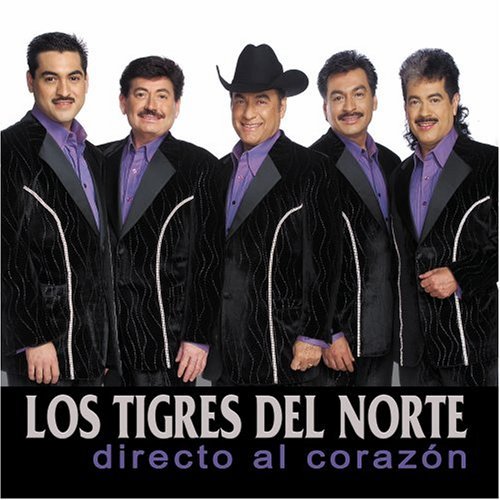
 View Artist