Song Meaning
The lyrics paint a picture of a narrator clinging to a familiar, perhaps mundane, routine, even as the world and a significant person move on. The opening lines, "Hey, いつもながら happy days / 相も変わらず僕のまま" (Hey, happy days as always / Still the same me), establish a sense of stasis. This is immediately contrasted with "平穏な日々の happy life / 待ってはくれない君がいる" (Happy life of peaceful days / There's you who won't wait), highlighting a growing distance and the inevitable passage of time that the narrator seems to resist. The narrator walks "足早君の元へ" (quickly to your side) in worn clothes, suggesting a persistent effort to reach this person despite their own unchanging circumstances.
The core tension arises from the narrator's desire to maintain a consistent existence against the backdrop of change, particularly the absence of a key person. The chorus shifts from "happy days" to "愛の抜け殻 happy days" (happy days, the husk of love) and "戻るコト無い happy life" (happy life that won't return), indicating a profound loss. The narrator acknowledges that "恐ろしく悲しいコトも / 素晴らしく嬉しいコトも / 今までと同じ様に / 受け止めていきたい" (terribly sad things / wonderfully happy things / I want to accept them / Just like before), revealing a yearning for emotional resilience and continuity, but the context suggests this is a difficult aspiration given the circumstances.
A striking element is the juxtaposition of "happy days" with the realization of "いつの間の yesterday" (yesterday that came and went). The lyrics suggest a sense of fate, stating "自分では作り得ない運命" (a destiny I can't create myself). This passive acceptance of circumstances, coupled with the recurring phrase "happy days," creates a poignant irony. The narrator is caught between a present that feels like a faded echo of past happiness and a future that feels predetermined and beyond their control, leaving them to "せめて小さな幸せでも" (at least a small happiness).
Ultimately, the effectiveness of these lyrics lies in their portrayal of quiet resignation and the lingering ache of what was. The narrator's internal state, marked by a desire for normalcy amidst significant personal change, resonates through the simple yet loaded imagery. The repeated "happy days" becomes less a statement of joy and more a wistful mantra, a desperate attempt to hold onto a feeling that has already slipped away, emphasizing the bittersweet nature of memory and the difficulty of moving forward when a vital connection is lost.
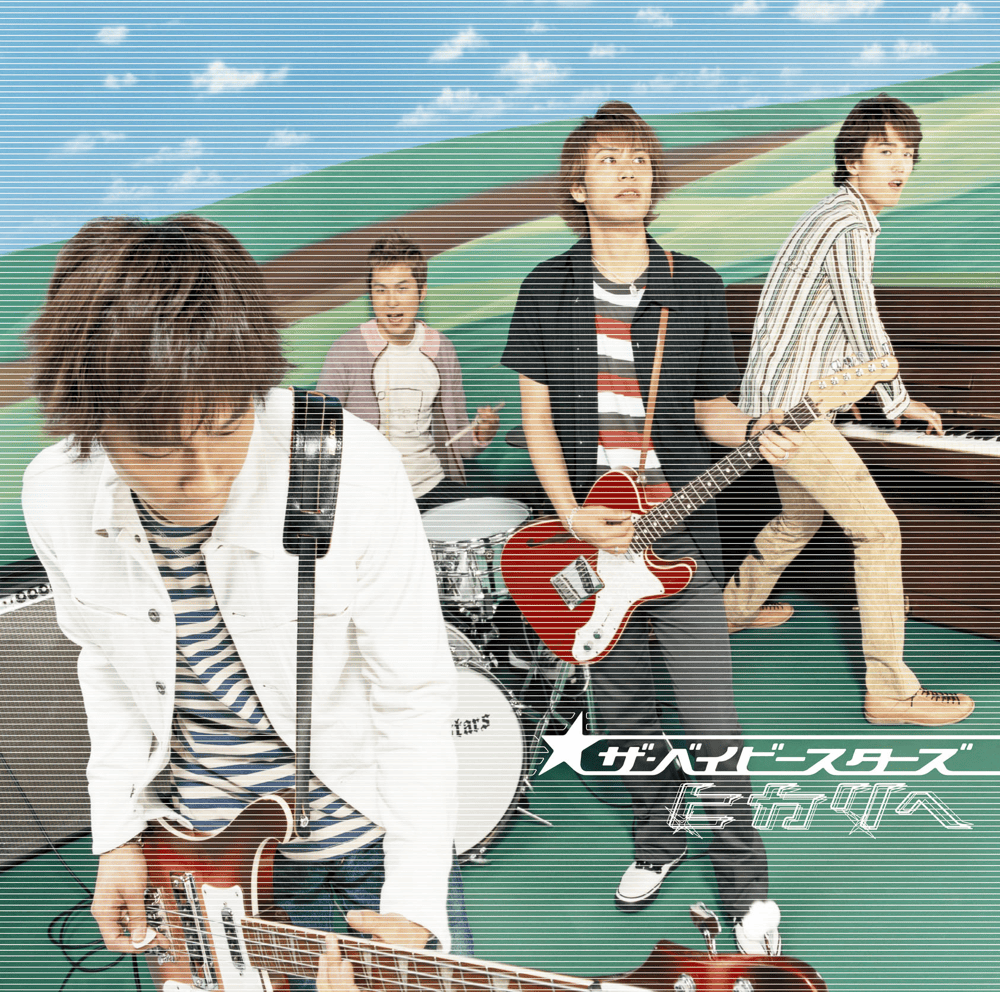
 View Artist