Song Meaning
The narrator’s core desire is a desperate plea against solitude, a feeling so palpable that others notice it. This isn't just a preference; it's an all-consuming need that shapes their interactions and self-perception. The repeated assertion, "it shows," highlights how this fear of being alone is an outward, visible trait, making the narrator feel exposed and perhaps even judged for their solitary state. The chorus, "Say, they believe in love," acts as a refrain of external validation, a hopeful echo of what others profess to feel, which the narrator seems to be grasping for.
The central tension arises from the narrator's internal struggle versus the perceived external pressure to conform to a life partnered with love. They express a longing to "agree" with the idea of love, suggesting an internal conflict where their own experience or fear might be at odds with this societal or personal ideal. The questions posed, "Could you walk out on me?" and "Could you stand in my way?" reveal a profound vulnerability, framing love not as a choice but as a potential threat to their very existence. The phrasing "walk out of me" is particularly striking, implying a deep, almost physical connection that, if severed, would leave them incomplete.
The lyrics masterfully employ repetition to underscore the narrator's singular focus. The phrase "I believe in love" transforms from a simple statement of faith to an almost incantatory mantra, especially as it’s interwoven with "All I need is love" and "All I need to breathe." This linguistic insistence suggests that love has become the narrator's sole source of sustenance and identity, a psychological necessity rather than a mere emotional preference. The shift from a general "love" to a specific "your love" in the latter half of the song marks a crucial pivot, indicating that the abstract belief is now intensely focused on a particular person, intensifying the stakes of their vulnerability.
This lyrical construction is effective because it grounds an abstract concept like love in raw, almost primal human needs. The narrator isn't waxing poetic about romance; they're articulating a fundamental fear of isolation and a desperate hope for connection. The progression from external observation to internal yearning, and finally to a specific plea for "your love," creates a compelling emotional arc. It’s this raw, unvarnished expression of need, amplified by the insistent repetition, that makes the song resonate as a powerful testament to the human desire to be loved and to belong.
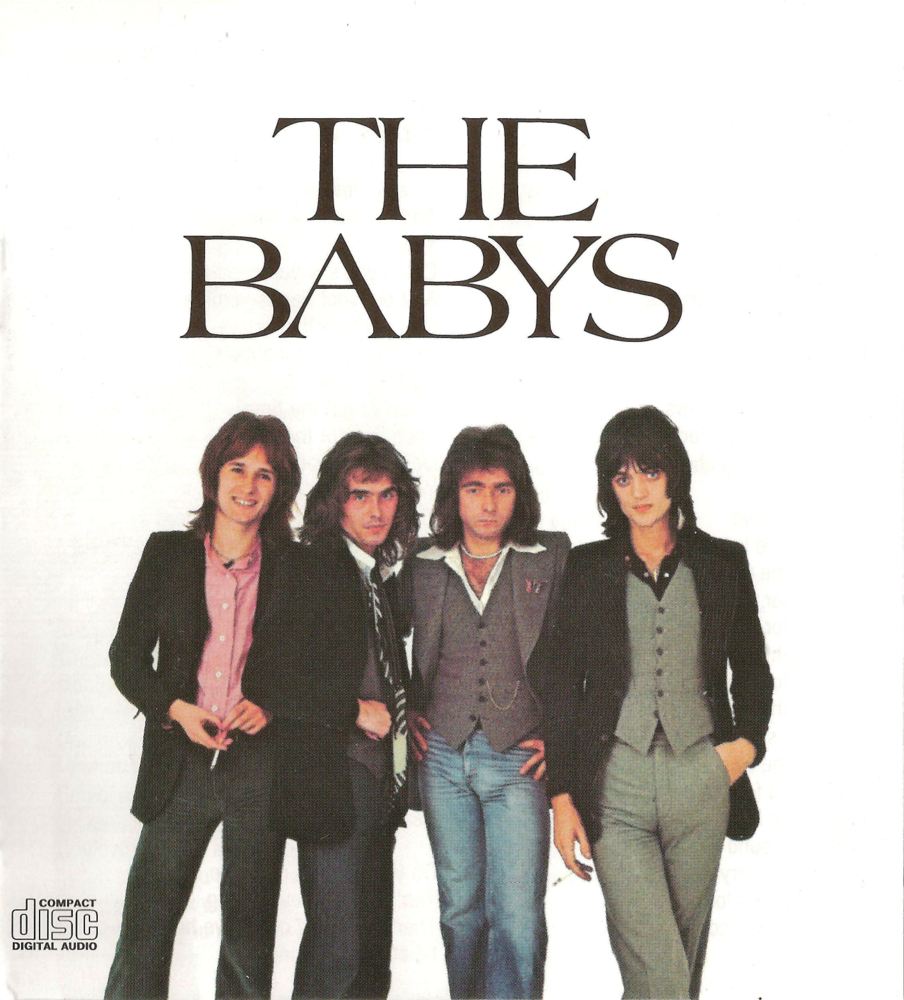
 View Artist