Song Meaning
The lyrics paint a picture of someone who claims to be perpetually in love, yet this declaration is fraught with a disquieting undercurrent. The opening lines immediately establish a sense of internal damage, with a "heart full of holes," juxtaposed against the mundane persistence of physical life, like hair that "keeps growing." This contrast hints that the narrator's emotional state is damaged, even as the world and their own body continue on. The boastful chorus, "I'm always in love," feels less like a confident statement and more like a desperate assertion against an internal void.
The central tension arises from the narrator's seemingly contradictory experiences of love and distress. They describe violent or possessive imagery, like letting go of a "throat, sweet throttle" and cleaning the "lash of your black-belt model," suggesting a tumultuous, perhaps even destructive, relationship dynamic. Yet, these intense actions are immediately followed by grand romantic gestures, like catching the moon "like a bird in a cage" and swooning. This oscillation between aggression and adoration, between damage and devotion, creates a confusing emotional landscape where the claim of being "always in love" feels performative rather than genuine.
The most striking aspect of the writing is its use of surreal, almost nonsensical imagery to convey profound emotional states. Phrases like setting the sun on a "big-wheeled wagon" or folding the "cold in my jet-lag palm" defy easy interpretation but evoke a sense of disorientation and grand, unfulfilled ambition. The bridge, with its "only a test" and "hope I do my best," reveals a deep insecurity, suggesting the narrator is performing love rather than truly experiencing it. This performative aspect is amplified by the repeated, almost frantic "I'm worried" in the outro, directly contradicting the earlier boast and revealing the anxiety beneath the surface.
Ultimately, these lyrics resonate because they capture the disorienting feeling of desperately wanting to be in love, or perhaps believing one *should* always be in love, while simultaneously grappling with internal turmoil and a profound sense of unease. The writing doesn't offer a clear narrative but instead presents a fragmented emotional state, where grand declarations are undercut by visceral imagery and an overwhelming sense of worry. It’s this tension between the proclaimed state of love and the evident distress that makes the narrator's claim so compellingly, and disturbingly, human.
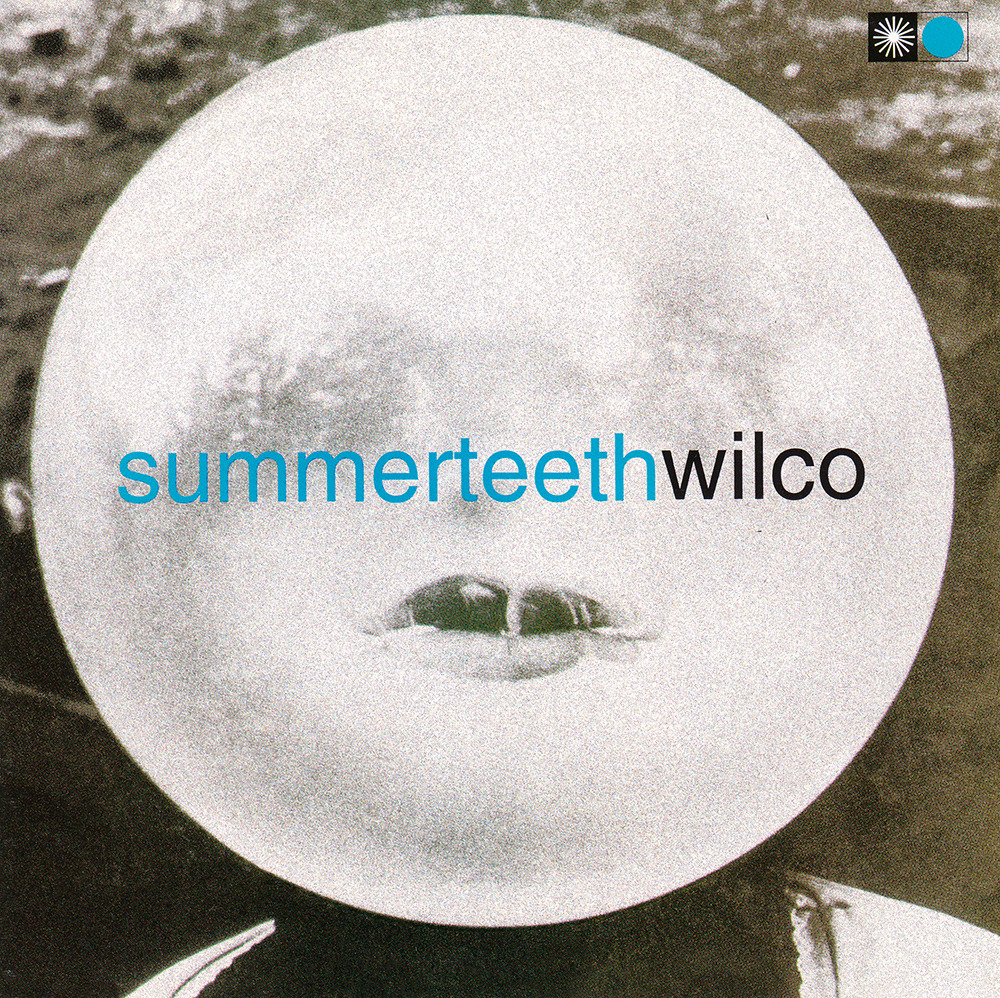
 View Artist