Song Meaning
The narrator finds themselves adrift, physically and emotionally, on the "opposite side of the coast." The initial imagery of "postcards on the floor" suggests a life in transit, a collection of places visited but not inhabited, and the inability of the pen to "write loneliness no more" points to a deep, unshakeable isolation. This isn't just a fleeting sadness; it's a pervasive state of being, amplified by waking up "all alone."
The core tension arises from a cynical view of love, declared "overrated" and something that "leaves you devastated." This disillusionment seems to stem from a past heartbreak, leaving the narrator's "heart ripped in two." Yet, paradoxically, despite this declared cynicism and the pain it implies, the narrator is "committed to / All these memories of you" and desperately "need[s] you here." This creates a compelling conflict between learned bitterness and lingering attachment.
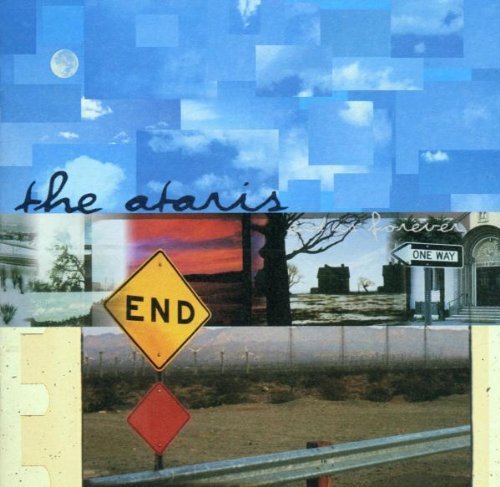
The lyrics masterfully distill the narrator's existence into a stark, recurring trio: "Road signs and rock songs and lonely hotel rooms." This refrain paints a picture of a transient, solitary life, soundtracked by the open road and melancholic tunes, punctuated by temporary, impersonal lodgings. The contrast between this bleak reality and the persistent, almost defiant "still I need you here" underscores the narrator's internal struggle and the enduring power of a lost connection.
This raw, almost brutal honesty about loneliness and the complicated relationship with love is what makes the lyrics hit so hard. The narrator isn't just sad; they're actively wrestling with the idea that love is a destructive force, even as they admit to being consumed by memories of it. The specific, almost mundane details of "6 a.m., Las Vegas" and drawing blinds create a vivid, unglamorous portrait of desolation, making the underlying emotional ache feel incredibly real.
 View Artist