Song Meaning
The lyrics paint a picture of someone offering a hard-won understanding to another person experiencing a downfall. The repeated "Comin' down" acts as a somber refrain, acknowledging a shared experience of struggle or disappointment. The narrator isn't gloating; instead, they offer a quiet solidarity, stating, "I know the feelin' why." This isn't about offering solutions, but about validating the pain that comes when expectations, like "rainbows end" or "rainbow bend," prove to be fleeting or illusory.
The core tension lies in the contrast between the desire for straightforward progress and the reality of life's winding paths. The narrator acknowledges the futility of trying to achieve the impossible, like shooting the moon and missing the sky, suggesting a past personal failure. This leads to the realization that the perceived shortcuts or direct routes are often illusions, as "every week's rainbow bend / Is just a sweet illusion." The lyrics then pivot to a more philosophical observation about navigating challenges, noting that "almost every mountain has a road around its throat," implying that direct confrontation isn't always the way forward.
The most striking craft element is the recurring imagery of rainbows, traditionally a symbol of hope and promise, being recontextualized. Here, they are not signs of good fortune but markers of "sweet illusion" that eventually "end" or "bend." This subversion of a common symbol effectively communicates a sense of disillusionment. The phrase "go take the windin' road / That leads you straight ahead" is a masterful piece of wordplay, suggesting that the indirect, difficult path is paradoxically the one that ultimately leads to the desired destination.
This writing resonates because it speaks to the quiet, unglamorous moments of shared human experience. It bypasses grand pronouncements for a more intimate form of empathy, recognizing that sometimes, the most valuable thing you can offer someone "comin' down" is the simple acknowledgment that you understand the game and its inherent illusions. The narrator's offer of "sympathy" that is "free as all the rest, and it's for keeps" lands with a weight that suggests it's been earned through personal experience, making it feel genuine and deeply felt.
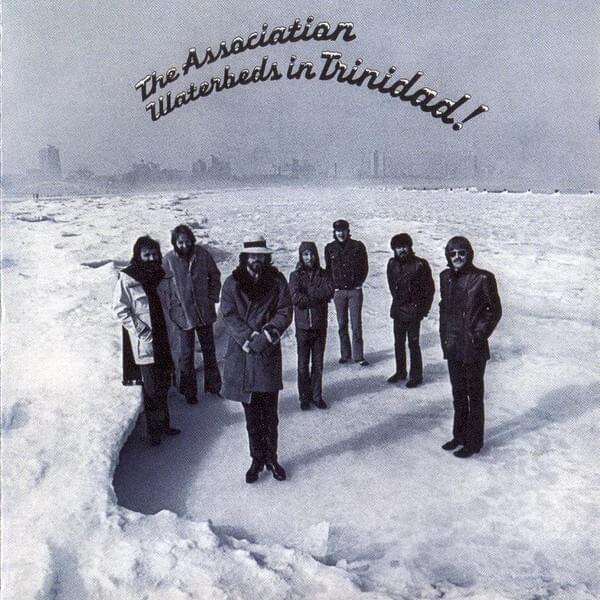
 View Artist