Song Meaning
The lyrics paint a picture of a life lived with a peculiar kind of blindness, even when faced with intense experiences. The repeated question, "What do you see when you are inside a star?" suggests a search for profound insight or a moment of ultimate clarity that seems to remain elusive. This is contrasted with the youthful act of "stare at the sun," a direct, almost defiant engagement with overwhelming light, implying a youthful recklessness or an inability to process what's right in front of them. The narrator seems to be questioning a past self, or perhaps someone else, about their perception during formative moments.
The central tension arises from the disconnect between outward experience and inner awareness. The lines "Did you perceive at the time / That you were blind, that you were blind?" directly confront a past lack of self-awareness. This blindness isn't literal but suggests a failure to grasp the significance of events or one's own state. The shift to the present tense, "Now you lie there with open eyes," is jarring. It implies a state of being awake and aware, yet simultaneously detached or even deceased, given the imagery of lying still and weeping alone.
The most striking lyrical device is the recurring phrase "lie there with open eyes." This creates a powerful paradox: eyes are open, suggesting consciousness, but the context of lying still, sleeping by the phone, and weeping alone points to a profound isolation or a state beyond ordinary life. The repetition hammers home this unsettling image. The lyrics also play with cyclical themes, asking about youth and old age, and hinting at a return or reincarnation with "you'd be back again." This suggests a life lived without learning, a loop of similar experiences and perceptions.
Ultimately, these lyrics resonate because they capture a sense of regret and missed opportunities for true understanding. The narrator seems to be grappling with the realization that a life, even one seemingly lived intensely or observed closely, might have been fundamentally misunderstood by the person living it. The final lines, "You know you're not alone," offer a sliver of comfort, but juxtaposed with the weeping and lying still, it feels more like a resigned acceptance of shared human experience rather than an active connection.
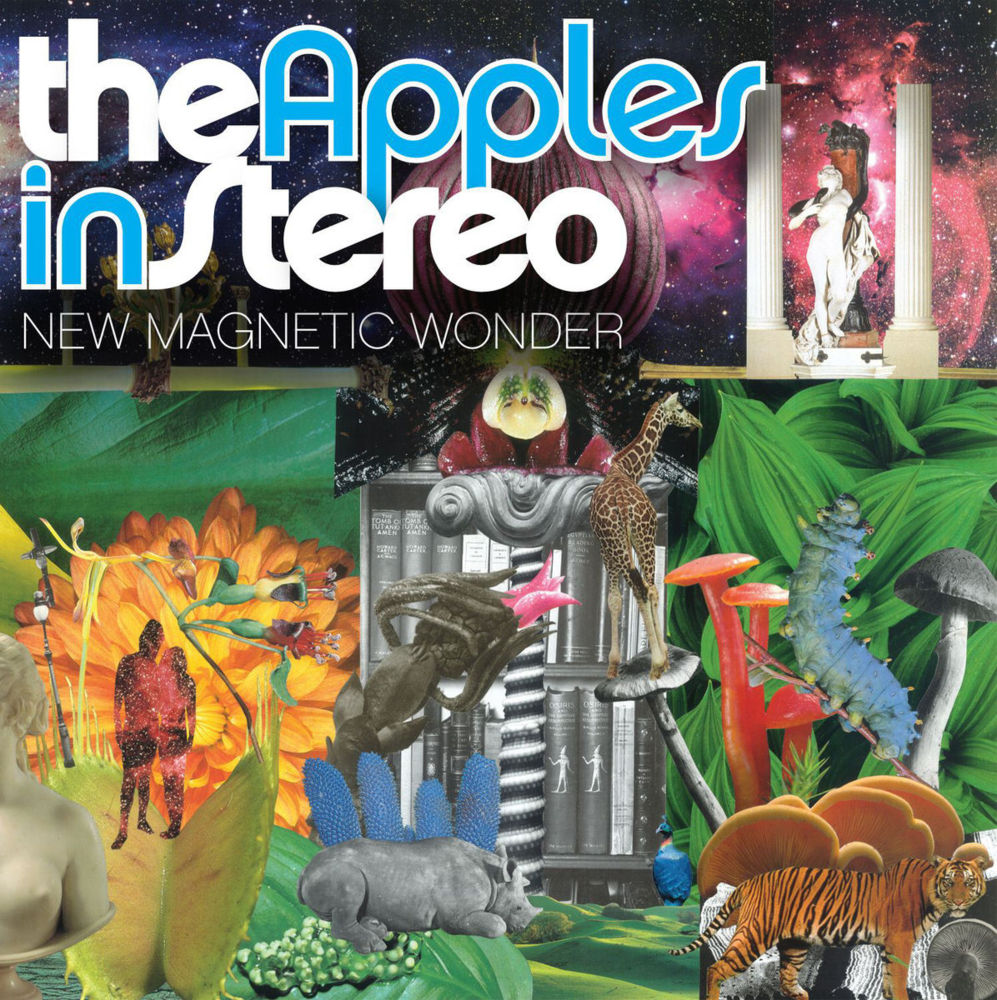
 View Artist