Song Meaning
The lyrics present a stark, almost binary, view of existence, oscillating between profound self-awareness and the chilling certainty of oblivion. The opening lines champion a state of being "self-aware and filled with light," suggesting an ideal, perhaps enlightened, condition. This positive framing is immediately undercut by a contrasting assertion: "We will be forgotten when we're gone." This creates an immediate tension between the value of present consciousness and the inevitability of erasure.
The core conflict seems to hinge on this duality. The narrator poses questions about what is "right" and "wrong," but the answers are cyclical and contradictory. One moment, "it's right" to be "filled with light," implying a meaningful, illuminated present. The next, "it's wrong" to ignore the fact that "we will be forgotten." This suggests a moral or existential imperative to acknowledge our impermanence, even if it diminishes the perceived value of our current state.
The power of these lyrics lies in their relentless repetition and simple, declarative structure. The phrase "Oh, don't you know" acts as a repeated, almost insistent, prompt, forcing the listener to confront these opposing ideas. The direct contrast between "filled with light" and "forgotten when we're gone" is the central engine of the piece, highlighting the fragile nature of meaning in the face of ultimate anonymity.
Ultimately, the effectiveness comes from this blunt confrontation. The lyrics don't offer complex philosophical arguments; they present two undeniable truths – the desire for meaningful existence and the certainty of death – and force them into direct, uncomfortable proximity. This juxtaposition leaves the listener grappling with the weight of their own fleeting presence.
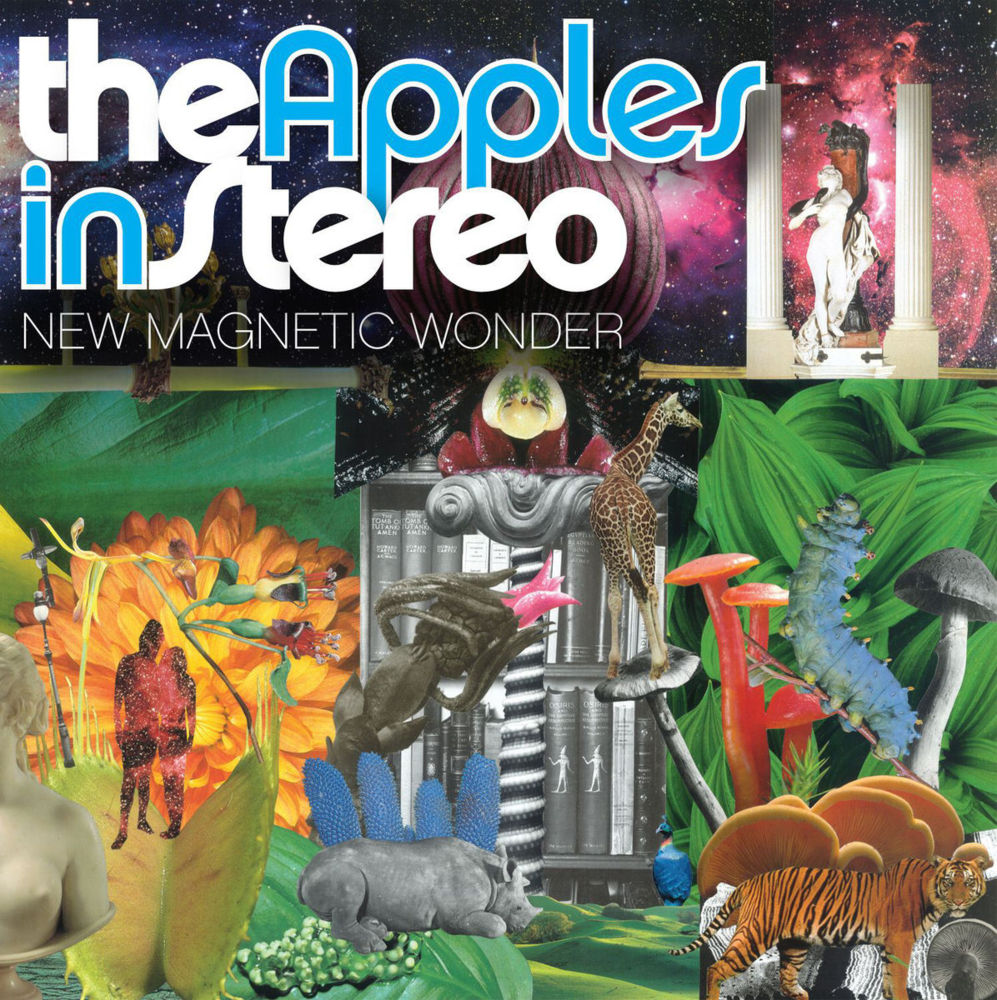
 View Artist