Song Meaning
The lyrics paint a picture of passive observation, a stark contrast to any kind of active engagement. The opening lines, with "barefooted could've beens" and a game of "snakes and ladders," suggest a childlike, perhaps naive, state of being stuck in a cycle of potential and failure. This scene quickly shifts to a more formal, almost hostile environment where "words collide" and people are ushered into a "cold star chamber," a place that sounds both grand and unwelcoming. The imagery of "waving flags, playing mastermind / Held by a thumbscrew" evokes a sense of performative power that is ultimately constrained and uncomfortable, hinting at a hollow authority.
The central tension lies in the repeated accusation: "Waiting for the world to come to you." This phrase is directed at a specific "you," implying a critique of someone's inertia and expectation. The narrator seems to be calling out a fundamental passivity, suggesting that the "you" is expecting external validation or change without initiating any action themselves. This is amplified by the dismissal of "reneoed wisdom," framing the "you" as someone offering outdated or unoriginal ideas, further cementing the idea of stagnation.
The most striking craft element is the juxtaposition of childish imagery with the oppressive formality of the "star chamber" and the "thumbscrew." This contrast highlights the immaturity underlying the perceived authority or importance of the "you." The repeated phrase "That's you" acts as a direct, almost accusatory spotlight, emphasizing the narrator's pointed focus on this specific behavior. The lyrics suggest that this waiting is not just a temporary state but a defining characteristic, a self-imposed limitation that prevents genuine progress or connection.
Ultimately, the effectiveness of these lyrics stems from their sharp, almost sardonic portrayal of inaction. The specific, evocative images – from the "gravel walk" to the "thumbscrew" – create a vivid sense of unease and critique. By focusing on the passive expectation of the "you," the song resonates as a commentary on a certain kind of self-deception, where grand pronouncements and a sense of importance mask a fundamental lack of drive.
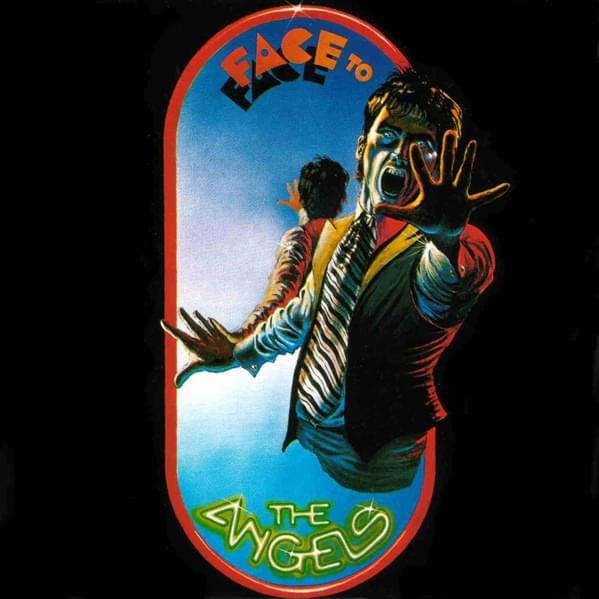
 View Artist