Song Meaning
The lyrics open on a stark, melancholic scene: a woman departing, leaving "her whole life behind," while a man sits "alone, waiting on the morning." A train carries "mama's baby home," underscoring a painful separation. The immediate feeling is one of profound loneliness and irreversible change. No one, the narrator observes, truly knows "what's going through her mind."
The central emotional tension arises from the speaker's self-aware, almost cynical framing of their own heartbreak. They declare they're singing "Just another love song," acknowledging that "people sing them all of the time." This initial dismissiveness attempts to universalize the pain, perhaps as a coping mechanism, but it immediately clashes with the raw, specific imagery of a family fracturing. The speaker seems to be wrestling with the commonality of sorrow versus its deeply personal sting.
The true emotional punch arrives with a crucial distinction: "The only difference is this one is mine." This simple declaration shatters any pretense of detachment, revealing a deeply personal wound beneath the generic "lonesome guitar ringing." This ownership of pain then informs a bitter reflection on "Freedom, Lord what a funny word." The lyrics suggest that what society often celebrates as liberation can, in reality, be a source of profound disillusionment and unintended consequences.
The effectiveness of these lyrics stems from their unflinching portrayal of those consequences. The abstract concept of freedom is immediately grounded in the concrete suffering of a woman leaving home, a man sitting alone, and tragically, a "Little child is paying all the dues." This stark, almost journalistic observation of human cost makes the speaker's personal lament resonate with a broader, more somber truth. The song ultimately becomes a poignant meditation on the hidden tolls of independence and separation.
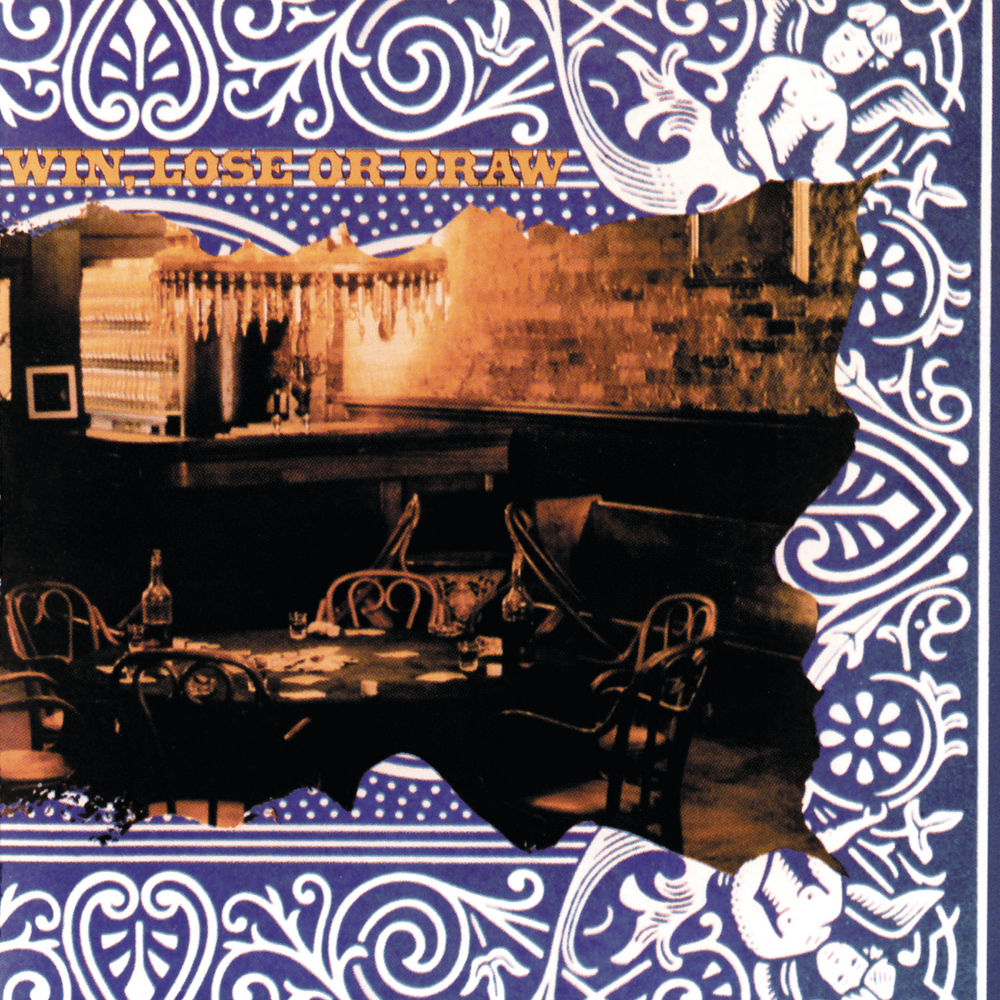
 View Artist