Song Meaning
The lyrics paint a stark picture of profound isolation, where the arrival of night triggers a deep sense of loss. The narrator describes shadows falling and lonely nights recalling, immediately establishing a somber, introspective mood. This feeling intensifies as the night is described as "bleak as old," suggesting a weariness and a long-standing emptiness. The absence of a specific person is palpable, leading to the narrator's realization that "you can't be found."
The central tension lies in the contrast between the narrator's internal experience and external reality. While the narrator can "hear the words you say" and "feel you standing here," this is juxtaposed with the undeniable fact that the person "can't be here." This creates a painful disconnect, where memories and phantom sensations offer no solace against the stark reality of absence. The repeated phrase "Lying in my grave" in the outro drives home the depth of this despair, suggesting a state of emotional death or complete surrender to loneliness.
The most striking element is the extreme imagery used to convey this desolation. The line "oh loneliness you're saved" is particularly arresting, personifying loneliness as something that has been rescued or preserved, perhaps by the very absence that fuels it. This is then amplified by the repeated declaration, "I'm lying in my grave." This isn't just sadness; it's a profound sense of being buried alive by the weight of this loss, a powerful metaphor for the narrator's current state of being.
Ultimately, these lyrics resonate because of their unflinching portrayal of utter desolation. The simple, repetitive structure, especially in the outro, mirrors the inescapable nature of the narrator's grief. By focusing on sensory echoes and extreme metaphors like being in a grave, the writing crafts an intense, almost suffocating atmosphere of loss that feels deeply personal and overwhelming.
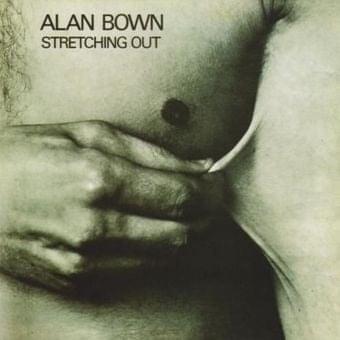
 View Artist