Song Meaning
The lyrics paint a stark, almost clinical picture of self-harm and its aftermath. The opening lines immediately establish a scene of physical violence against the self, focusing on the visual and sensory details of "severed wrists" and "deepest cuts." There's a disturbing aestheticization of the act, with the narrator observing the "separation of her flesh / From the razor" as "so beautiful." This detached, almost artistic framing of the injury creates a jarring contrast with the implied suffering, suggesting a complex emotional state where pain is both inflicted and observed with a strange detachment.
The central tension revolves around a profound sense of loss and abandonment, framed by the act of self-harm. The narrator experiences this not just as a personal tragedy but as a direct, personal rejection: "She's taken herself from me / Forever abandoned." The imagery of "draining the blood that's running cold" and "blood that's running thin" amplifies the sense of life ebbing away, a physical manifestation of the narrator's own emotional desolation. The phrase "tasted eternity" acts as a chilling euphemism for death, a finality that seals the narrator's fate of being "forever abandoned."
The most striking aspect of the craft is the persistent use of detached observation and sensory detail to describe an intensely personal and violent event. Phrases like "eyes held open" and "vacant eyes / Watching the blood" create a sense of eerie stillness, as if the narrator is witnessing a slow-motion tragedy. The repetition of "running cold" and "running thin" emphasizes the physical decay, while the juxtaposition of "pain she's never known" with the subsequent "emptiness / That suffocates" highlights the paradoxical nature of the experience – a final escape from pain that leaves only a void. The brief parenthetical "(And then...)" serves as a stark transition, underscoring the inevitable, cyclical nature of the despair and the finality of the abandonment.
This lyrical approach is effective because it forces the listener to confront the raw, visceral reality of the situation without resorting to overt emotional appeals. The cold, observational tone, combined with the sharp, almost surgical imagery, creates a powerful sense of unease and profound sadness. It's the stark contrast between the narrator's desperate sense of personal loss and the detached, almost aestheticized description of the self-inflicted wounds that makes the theme of abandonment hit so hard. The lyrics don't just describe despair; they embody it through their precise, unflinching language.
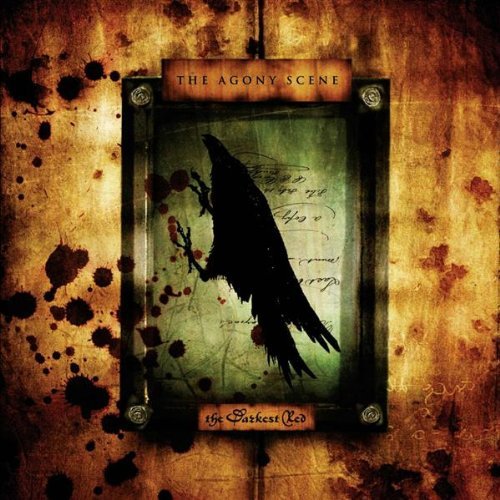
 View Artist