Song Meaning
The lyrics paint a stark contrast between a vivid, comforting dream and a bleak, lonely reality. The opening lines immediately establish this dichotomy: a "day I have seen" and a "scene I've been in" are overshadowed by the idealized vision of a dream where a loved one "were near" and "seemed that you care." This dream offers a temporary solace, a fleeting moment of connection that the waking world apparently lacks.
The central tension arises from the narrator's struggle to reconcile these two states. The repeated questioning, "What a scene?" after the dream sequence suggests disbelief or a profound disconnect. The act of shedding tears and trying to "wash my mind" indicates a desperate attempt to hold onto the dream's feeling or perhaps to erase the pain of its absence. The lyrics imply a deep longing for the affection and presence experienced only in sleep.
The most striking aspect is the cyclical nature of the narrative, emphasizing the narrator's entrapment. The dream offers a temporary escape, but the waking hours are filled with "lonely stak" and a sense of helplessness, asking "what can I do?" The repetition of "In my dream / What a scene?" becomes a desperate refrain, highlighting how the dream is both a cherished refuge and a painful reminder of what is missing when awake.
This emotional weight is amplified by the raw, almost conversational delivery implied by the demo format. The simple, direct language and the stark imagery of "lonely stak hangs me up" and "storm all day" create an immediate sense of vulnerability. The lyrics effectively capture the ache of unfulfilled desire, where the memory of a dream becomes a source of both comfort and profound sadness.
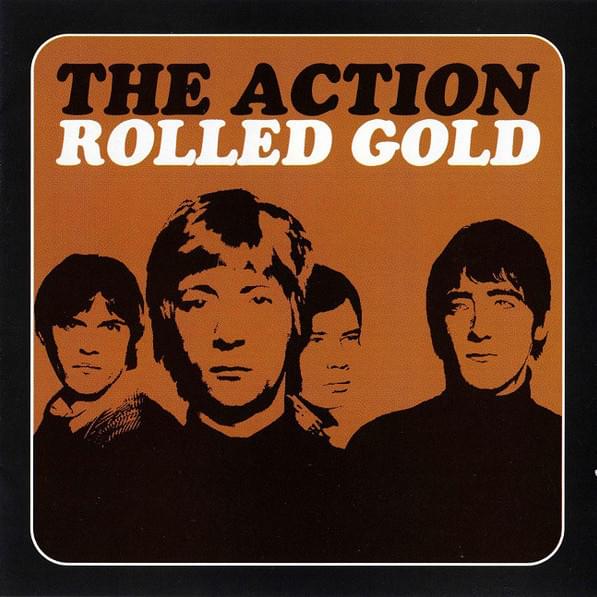
 View Artist