Song Meaning
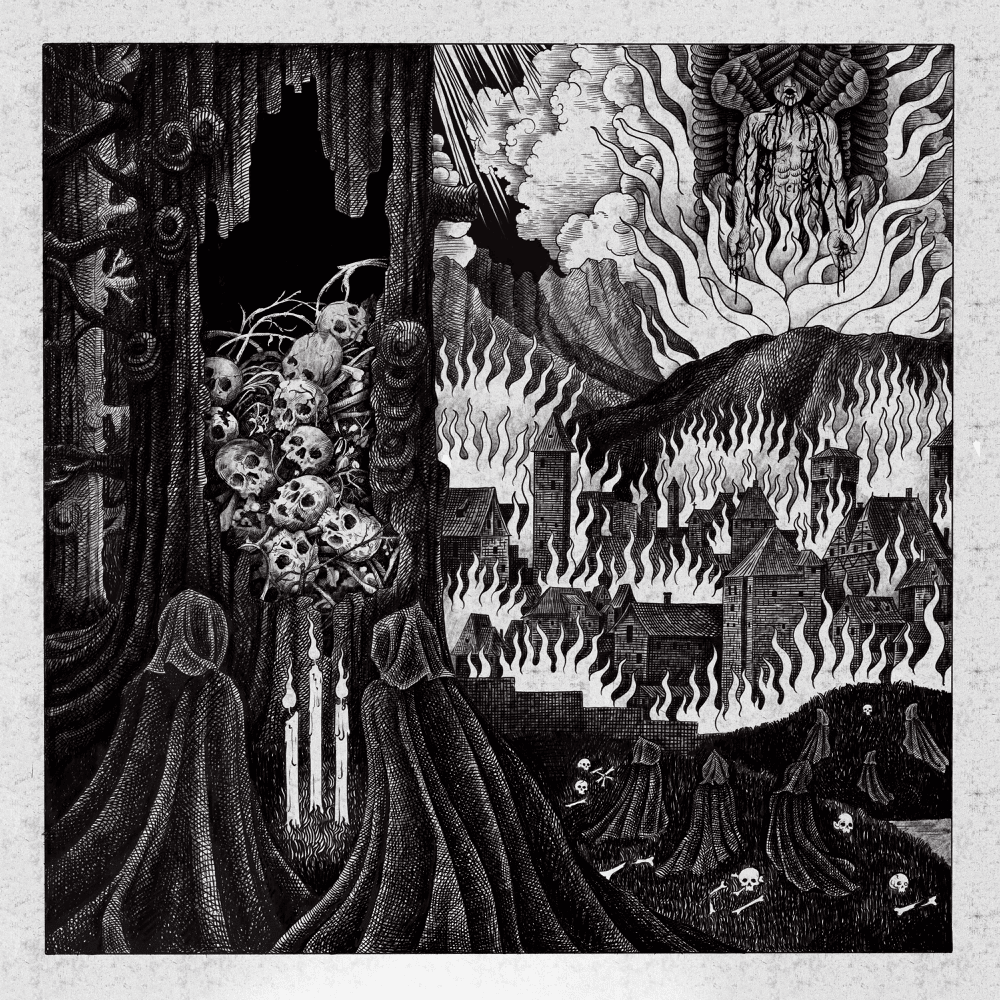
AEONIAN WRATH" paints a stark picture of global annihilation. "Death from afar" and "Death from above" signal an inescapable, external doom. Yet, amidst this cosmic horror, a chillingly personal vendetta emerges. The speaker anticipates the end of the world with a specific target in mind.
The lyrics expertly weave together two distinct threads: the vast, impersonal destruction of a planet and a deeply personal, vengeful desire. While "the planet expires" from a "hole in the sky," the speaker's focus narrows to a singular "you." This isn't just about the world ending; it's about a specific individual being forced to witness it, a fate the speaker seems to relish.
Perhaps the most unsettling element arrives with the bridge: "Every sin will be forgiven." This declaration stands in stark contrast to the preceding lines of intense malice and universal judgment. It could be a bitter irony, suggesting that in ultimate destruction, forgiveness is meaningless. Or, it might imply a twisted form of absolution, where the sheer scale of the catastrophe wipes the slate clean for everyone, except perhaps for the "you" who is still singled out for a specific, painful end. This ambiguity forces the listener to grapple with the nature of justice and mercy in the face of ultimate wrath.
This fusion of cosmic dread and focused, personal hatred makes "AEONIAN WRATH" particularly effective. The direct address, "But you do," delivers a visceral punch, making the apocalypse feel less like a distant event and more like a tailored punishment. The lyrics don't just describe the end; they invite the listener into a mind that finds grim satisfaction in it, creating a disturbing, unforgettable vision of ultimate retribution.
 View Artist