Song Meaning
The lyrics paint a stark picture of a society descending into authoritarianism, fueled by religious justification and destructive ideologies. The opening questions immediately challenge the rationale behind "atrocities" and the construction of a "fascist state," setting a tone of urgent critique. The repeated imagery of "bibles, with kerosene / With crosses and gasoline" creates a disturbing juxtaposition, suggesting that sacred symbols are being twisted to incite and enable literal conflagration and societal collapse. This deliberate pairing of religious iconography with flammable materials powerfully conveys the idea of faith being weaponized for destructive ends.
The central tension lies in the narrator's defiant refusal to accept this trajectory. The repeated, emphatic declarations of "We will refuse this fate" and "We will react against" serve as a rallying cry against the perceived "stupidity" and "hate" being propagated. The phrase "From right to left and back to right again" suggests a cyclical, perhaps futile, political maneuvering that ultimately leads the "fascist state" to the "brink of complete destruction." This cyclical movement, combined with the escalating calls to action, builds a sense of impending, necessary upheaval.
The most striking craft element is the visceral repetition of "Fire!" coupled with the imagery of burning. This isn't just a metaphor; it's presented as an active, necessary force for demolition. The lyrics suggest that this "fire" is intended to burn away the "stupidity" and the hate-filled "futility of nations." The insistent, almost primal, call to "Burn" acts as a stark contrast to the calculated construction of the "fascist state," positioning destruction as a form of purification or liberation. The final lines, shifting from "refuse this fate" to "defy," signal a transition from passive resistance to active rebellion, emphasizing a determined will to break free from the imposed destiny.
Ultimately, these lyrics resonate because they tap into a deep-seated frustration with oppressive systems and the manipulation of belief. The direct, confrontational language and the potent, unsettling imagery of sacred items fueling literal fires create an immediate emotional impact. The writing doesn't shy away from the severity of the situation, instead opting for a powerful, urgent call to recognize and reject the path towards destruction, grounding its effectiveness in the raw, unvarnished depiction of ideological decay and the desperate need for radical change.
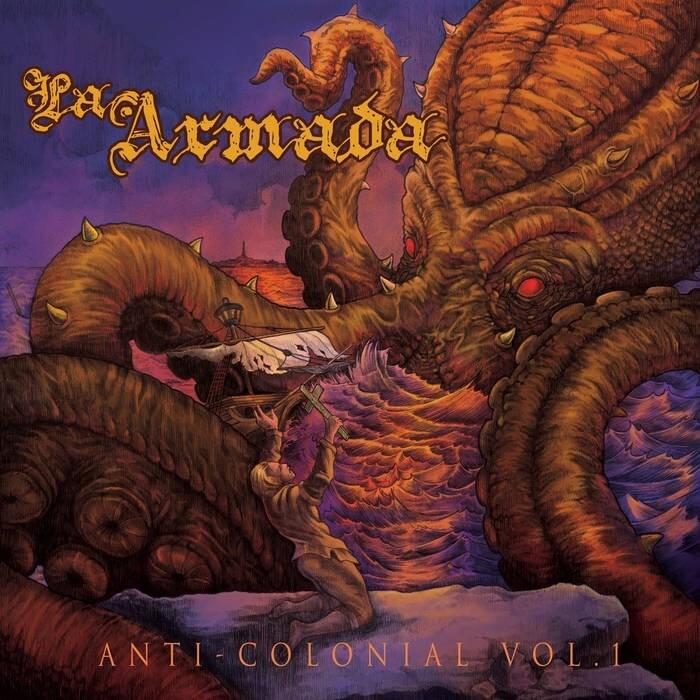
 View Artist