Song Meaning
These lyrics plunge the listener into a world teetering on the edge, inviting a loved one to "Fall into oblivion" under a "Drunken night / And stars above." It's a strangely intimate call to an ultimate, shared erasure. The initial romantic imagery quickly gives way to a starker, more desperate reality.
The central tension arises from this jarring shift: from a tender invitation to an almost violent command. The speaker urges a journey "Go west to the desert land," to "Get a gun and be a man," and, most chillingly, to "don't you never ask / The reason / Why." This suggests a world where action is paramount, and questioning the underlying purpose is not just discouraged, but forbidden, hinting at a profound resignation or a forced ignorance.
The repeated lament, "Bad world / American / Sad world / L'american," grounds this personal despair in a broader societal critique. The inclusion of "L'american" adds a layer of detached, almost critical observation, as if viewing the "American" condition from a slight remove. This collective sorrow culminates in the unsettling declaration: "Ain't no wages of sin." This phrase upends traditional moral frameworks, suggesting a world so broken that consequences for wrongdoing no longer exist or, perhaps, that the world itself has become the ultimate punishment, rendering individual sins moot.
Ultimately, these lyrics are effective because they paint a vivid, nihilistic portrait of a world where meaning has dissolved. The blend of intimate pleas like "Hold me" with the embrace of oblivion and the rejection of inquiry creates a powerful sense of fatalism. It's a raw, unflinching look at a "bad new world" where the only certainty is the end, and even the concept of sin has lost its sting.
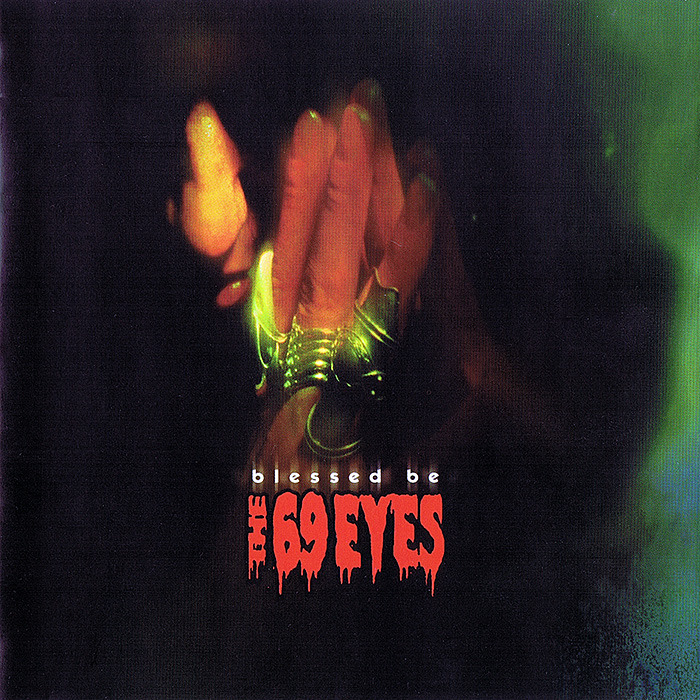
 View Artist