Song Meaning
The lyrics present a stark contrast between pain and reassurance, framing a difficult transition as a necessary, albeit somber, event. The opening lines acknowledge suffering with a repeated "It hurts" when observing someone "fall" and "crawl." Yet, this immediate empathy is quickly followed by a determined, almost forceful, promise: "But it's all right, We're gonna be fine." This juxtaposition sets up a core tension between the present distress and a future state of well-being, guided by the narrator's directive, "Let me show you the light."
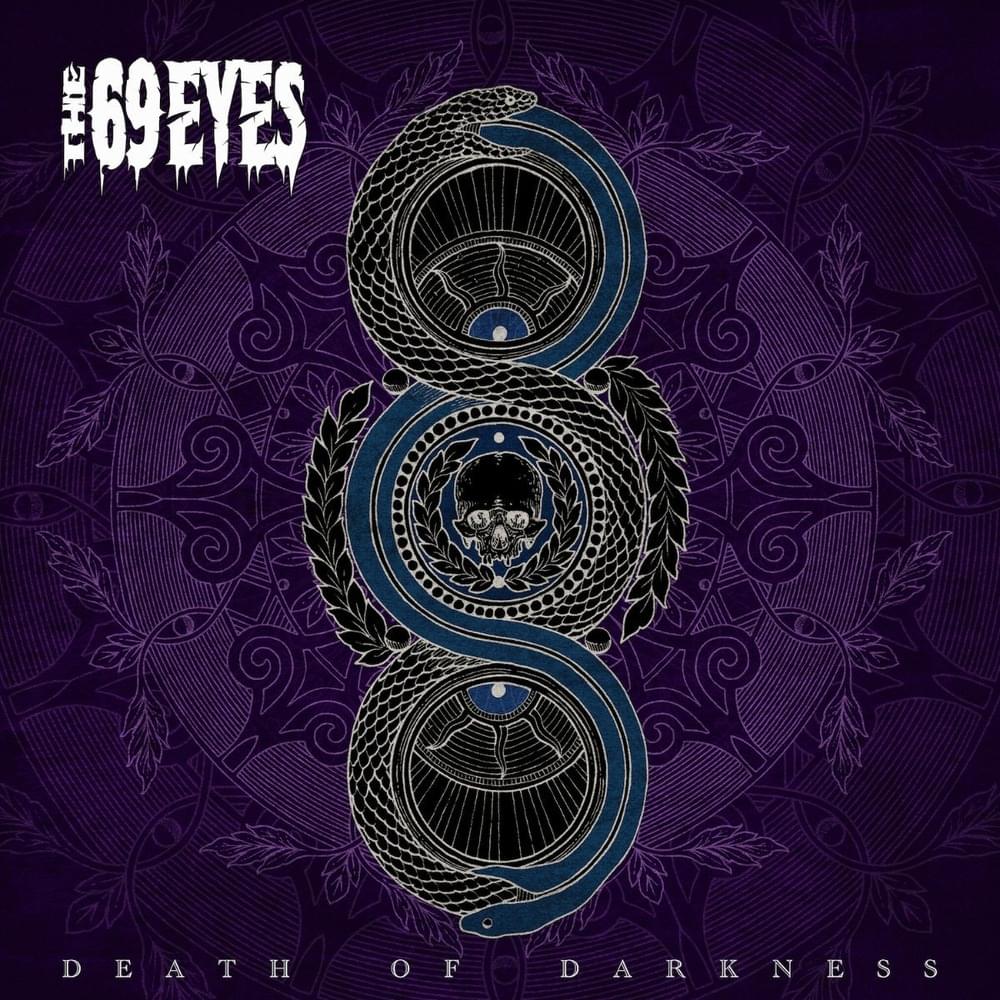
The central conflict emerges through the jarring declaration in the pre-chorus: "It's a funeral we're going to!" This immediately recontextualizes the preceding comfort. The "light" being offered isn't necessarily a gentle dawn but rather the stark finality of "Death of darkness." The repeated, almost chanted, chorus hammers this point home, suggesting that the end of a painful period, the "darkness," is achieved through a form of demise, a profound ending that necessitates a somber ceremony.
The most striking element is the deliberate pairing of "funeral" with "Death of darkness." This isn't just about overcoming hardship; it's about a definitive end to a state of being. The repetition of "No words to tell you more" in the second verse reinforces the ineffable nature of this transition, implying that the experience is beyond simple explanation. The narrator's insistence on showing the way, coupled with the funeral imagery, suggests a forceful, perhaps even ritualistic, ushering out of a negative phase, where survival is contingent on this symbolic death.
Ultimately, the lyrics' effectiveness lies in their bluntness and the unsettling comfort they offer. The repeated assurances of being "all right" and surviving feel less like gentle reassurances and more like pronouncements of inevitability. The song crafts a feeling of grim determination, where the end of suffering is not a gentle healing but a decisive, almost violent, cessation. The "funeral" becomes the necessary rite of passage, making the "death of darkness" a powerful, if somber, resolution.
 View Artist