Song Meaning
“Harlem” offers a series of snapshots, moving from the oppressive heat of summer to the biting cold of winter. These harsh realities are met with a stark, almost apathetic resignation: “I don't care if I die or not!” Yet, the lyrics quickly pivot, revealing the defiant joy of Saturday nights.
The core tension lies in the stark contrast between the daily grind and the liberating escape of the weekend. The narrator faces both sweltering summer nights and freezing winter nights, highlighting a pervasive sense of neglect from a “mean ole landlord.” This feeling of powerlessness against environmental and systemic indifference is palpable. However, the repeated refrain of “Saturday night in Harlem” acts as a powerful counterpoint, suggesting that despite everything, there's always a space for release and celebration.
The lyrics effectively use juxtaposition to build this world. The raw, almost brutal honesty of “too hot to sleep” or the radiator that “won't get hot” sets a baseline of struggle. This makes the sudden shift to “every thing's all right” on Saturday night feel earned and vital, a necessary release where people can “swang and shake your pretty thang.” The perspective then sharpens on Sunday morning, observing the “heathen folk” returning as “good folk” rise, culminating in a pointed critique of a “crooked delegation” and their “lyin', cheatin' man.” This shift reveals a community not just enduring, but acutely aware of its internal dynamics and external exploitation.
Ultimately, these lyrics resonate because they refuse to simplify life in Harlem. They present a complex, lived reality where extreme discomfort and social critique coexist with vibrant, uninhibited joy. The conversational language and direct observations create an intimate portrait, making the listener feel like an insider.
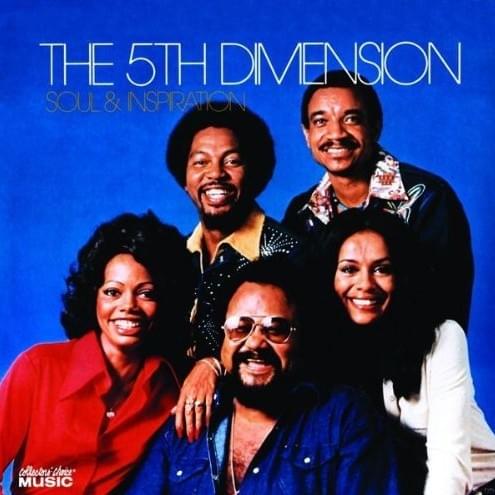
 View Artist