Song Meaning
The narrator confesses a forbidden desire: he's in love with his best friend's girl. This isn't a fleeting crush; it's a deep-seated feeling he feels compelled to acknowledge, even if it causes pain. The repeated phrase "I know it's hard but it's fair" acts as a mantra, a rationalization for his potentially destructive feelings. It suggests a belief that acknowledging the truth, however difficult, is the only honest path forward, even if that path leads to conflict or heartbreak. The narrator seems to be wrestling with the morality of his emotions, trying to reconcile his personal desires with the potential fallout.
The central tension lies in the conflict between loyalty and raw attraction. While acknowledging his best friend's love might be "true," the narrator insists his own feelings are equally valid and undeniable. He's not trying to suppress his emotions; instead, he's broadcasting them, declaring "I'll tell it anywhere." This defiance, coupled with the repeated justification of fairness, highlights a desperate attempt to legitimize his internal struggle. The lyrics suggest a man caught between his conscience and his heart, choosing to voice the latter despite the obvious complications.
The most striking aspect of the writing is the persistent, almost defiant repetition of "I know it's hard but it's fair." This phrase, delivered like a broken record, underscores the narrator's internal debate. It’s not just a statement of fact; it’s a plea for understanding, a self-soothing mechanism, and a justification all rolled into one. The bridge further emphasizes this internal battle, describing a futile effort to "fooling myself" and the overwhelming sense that "there seems to be no one else" who captures his heart, reinforcing the intensity and perceived inevitability of his feelings.
Ultimately, the effectiveness of these lyrics stems from their raw, unvarnished honesty about a universally difficult situation. The narrator doesn't shy away from the messiness of his emotions, presenting them with a stark, almost brutal simplicity. The repeated, self-justifying refrain creates a sense of inescapable internal conflict, making the listener privy to a deeply personal and morally ambiguous struggle. It’s this unflinching portrayal of desire clashing with social bonds that makes the song resonate, even as it explores uncomfortable territory.
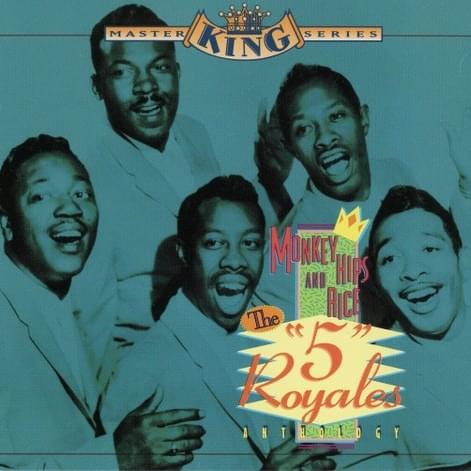
 View Artist