Song Meaning
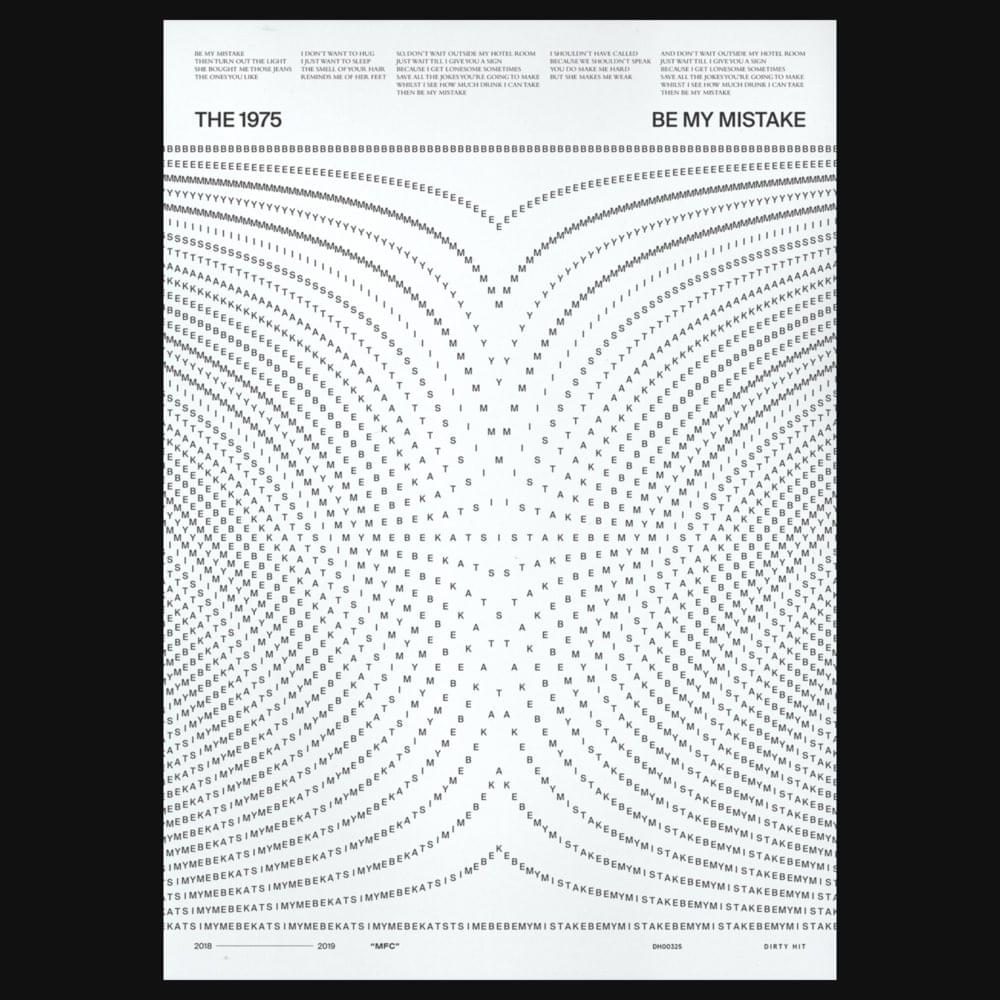
The lyrics paint a picture of a messy, self-destructive encounter. The narrator is clearly in a hotel room, asking someone to "turn out the light" and to "be my mistake." This isn't a romantic plea; it's an invitation to participate in a moment of regrettable impulse. The scene is set with a sense of detachment and weariness, as the narrator expresses a desire to "just wanna sleep" rather than engage emotionally. The mention of jeans that "you like" suggests a connection to someone else, adding a layer of complication and potential infidelity to the immediate situation. This sets up a tense emotional landscape where desire and regret are already intertwined.
The central conflict arises from the narrator's internal struggle and their willingness to involve another person in their self-sabotage. They acknowledge that "we shouldn't speak," indicating a forbidden or unwise connection, yet they still seek out this interaction. The line "You do make me hard / But she makes me weak" highlights a stark contrast between physical arousal and emotional vulnerability, suggesting a complex dynamic where one person offers immediate gratification while another holds a deeper, perhaps destabilizing, influence. This internal division fuels the desire for a fleeting, uncommitted encounter.
The most striking element of the craft is the repeated, almost transactional request: "be my mistake." This phrase strips away any pretense of genuine connection, framing the entire interaction as a planned error. The narrator is actively inviting someone to be part of their poor decision-making, using alcohol as a buffer: "see how much drink I can take." This suggests a conscious effort to numb themselves to the consequences of their actions, further emphasizing the self-destructive nature of the encounter. The narrator appears to be seeking oblivion rather than intimacy.
What makes these lyrics so effective is their raw honesty about flawed human behavior. The narrator isn't presenting themselves as a victim or a romantic hero; they are admitting to a moment of weakness and inviting someone else to share in it. The bluntness of "be my mistake" and the casual mention of infidelity create a palpable sense of unease and vulnerability. It resonates because it captures those moments when we know we're making a bad choice but do it anyway, seeking a temporary escape from loneliness or internal turmoil.
 View Artist