Song Meaning
Thalía's "Un Miracolo" isn't just a song; it's an elegantly crafted portrait of absence, a sonic exploration of the void left by a departed love. The opening verses paint a picture of abundance – a skylark at the window, morning dew, the exuberance of youth. Yet, this sensory richness only serves to highlight the aching emptiness at the song’s core: "Pero me faltas tú" – "But I miss you." It’s a sophisticated deployment of contrast, where the beauty of the world becomes a constant reminder of what's missing, a poignant paradox that resonates with anyone who’s experienced profound loss. The lyrics suggest a love that was once a vital, life-giving force. The singer speaks of having the "rose of your love" planted in her soul, yet also the "thorn of your goodbye" piercing her like a sword. This duality speaks to the complex, often contradictory nature of relationships, where joy and pain are inextricably intertwined. The verses emphasize how the beloved was once "breath when I was thirsty" and "fire when winter came to my heart," underscoring their crucial role in the singer's emotional survival.
The song meaning transcends simple heartbreak; it delves into the psychological impact of absence. The repeated refrain, "Y es que me faltas tú" ("It's just that I miss you"), moves beyond a statement of fact to become an almost desperate plea. The lyrics further elaborate on the depth of this need, revealing that the missing person is the singer's harbor in a storm, the oasis in her soul's desert. This isn't mere longing; it's a fundamental dependence, a reliance so profound that their absence triggers a sense of existential unraveling: "Porque en tu ausencia me estoy muriendo" ("Because in your absence I am dying"). The imagery of dying and the desert evokes feelings of desperation and hopelessness, mirroring the psychological impact of profound loss on one's well-being.
Ultimately, "Un Miracolo" is a powerful meditation on the human need for connection and the devastating consequences when that connection is severed. Thalía uses vivid imagery and emotionally charged language to convey the depth of her longing, transforming a simple love song into a profound exploration of the human condition. The song's beauty lies not only in its melody but also in its unflinching portrayal of vulnerability, reminding us that even amidst life's abundance, the absence of a single, crucial element can render everything else meaningless.
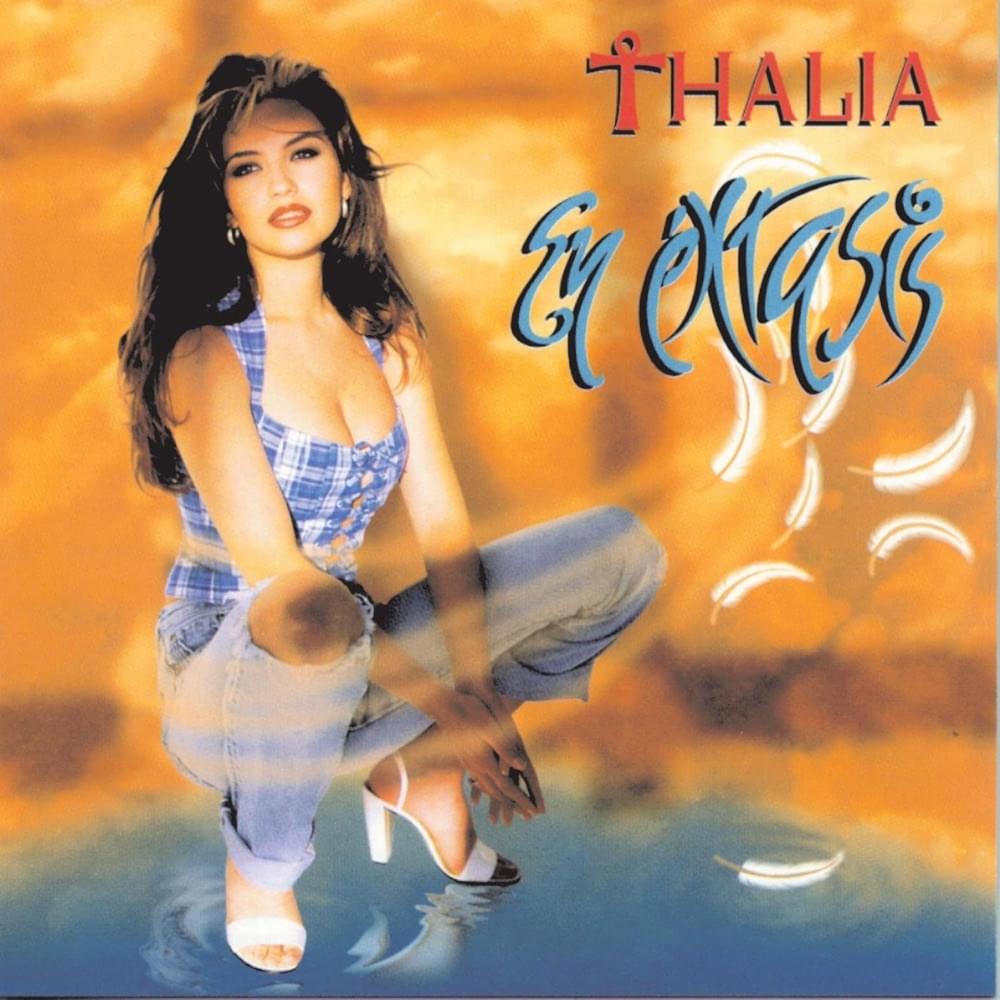
 View Artist