Song Meaning
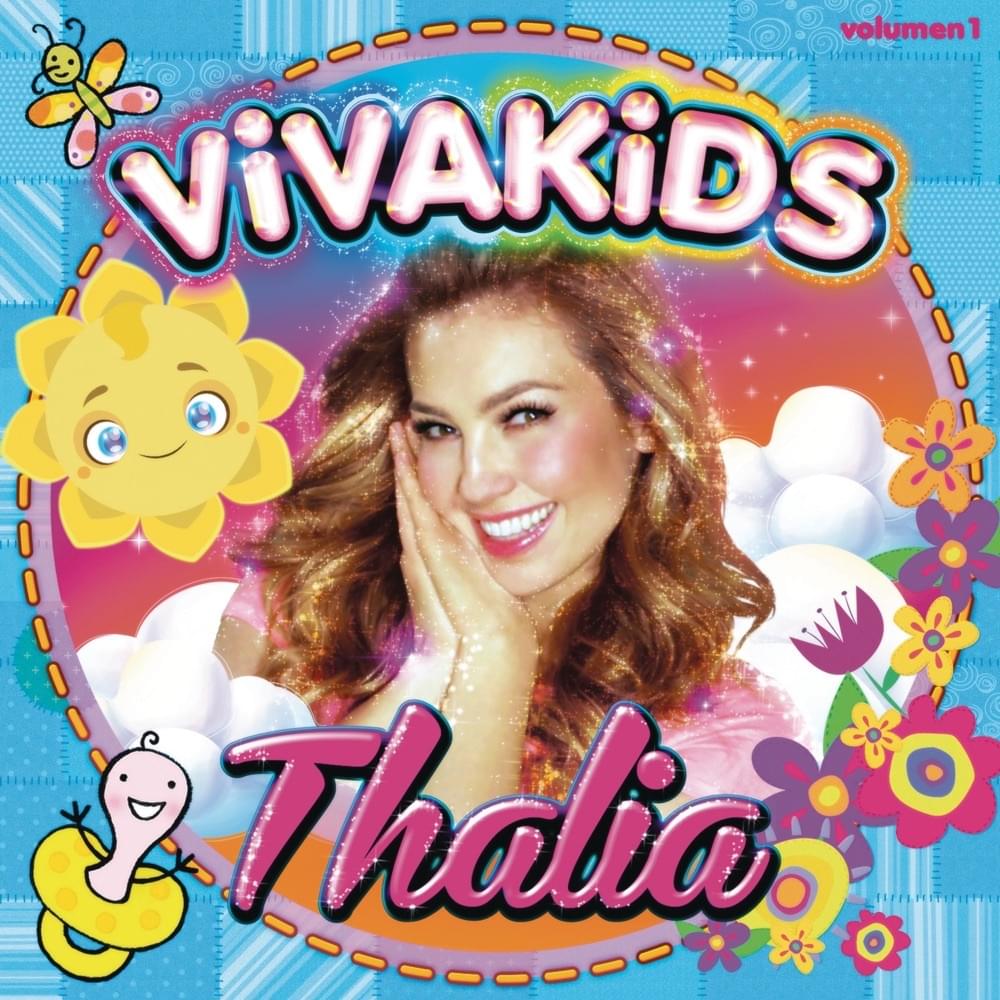
Thalía's rendition of "Las Mañanitas" isn't merely a song; it's a cultural embrace, a sonic instantiation of warmth and celebration deeply embedded in the Hispanic world. To dissect the song's meaning, one must understand its historical weight. "Las Mañanitas" functions as the quintessential birthday serenade, a lyrical gift presented at dawn. Thalía, a figure synonymous with Latin pop exuberance, imbues the traditional melody with a contemporary vibrancy, ensuring its relevance for new generations. The lyrics themselves are deceptively simple, yet resonate with profound emotional depth. They paint a picture of a joyous awakening, a world reborn in celebration of a single individual's existence.
The opening lines, referencing King David, immediately elevate the song to a level of timeless reverence. This isn't just a birthday song; it's a cultural artifact, passed down through generations. The plea to "Despierta, mi bien, despierta" (Wake up, my dear, wake up) is more than a literal call to rise; it's an invitation to embrace the beauty of a new day, a day made special by the honoree's presence. The imagery of singing birds and a setting moon reinforces this sense of renewal and the natural world's participation in the celebration.
Beyond the surface-level felicitation, "Las Mañanitas" touches upon deeper psychological themes. The collective joy expressed in the lyrics suggests a community-oriented culture where individual milestones are celebrated communally. The lines about flowers blooming and nightingales singing at the birth symbolize the inherent goodness and beauty associated with the individual. In essence, Thalía's interpretation of "Las Mañanitas" isn't just about marking another year; it's about affirming the inherent worth and cherished place of the individual within the social fabric. It's a vibrant reminder of love, community, and the enduring power of shared traditions.
 View Artist