Song Meaning
Thalía's "Estrellita" isn't a complex lyrical labyrinth, but its disarming simplicity is precisely where its emotional resonance lies. The song, which translates to "Little Star, Where Are You," immediately evokes a sense of childlike wonder and longing. The repetition of the core lines, "Quiero verte sin tilar" ("I want to see you without ceasing") and "En el cielo sobre el mar" ("In the sky above the sea"), reinforces this almost primal yearning for something just out of reach. It's a lullaby stripped down to its most fundamental components: a voice, a desire, and the vast, unknowable universe. The search for the 'little star' acts as a metaphor for an innocence lost or a dream deferred, the kind that adults often bury deep, but that continues to glimmer in the subconscious.
What elevates "Estrellita" beyond a mere children's rhyme is the implied vulnerability within its repetition. Thalía's delivery (in other performances of the song) often carries a slight ache, hinting at a deeper, more personal connection to the lyrics. The star, described as "Un diamante de verdad" ("A real diamond"), becomes a symbol of purity and unattainable beauty. The 'real diamond' is important; it's not costume jewelry, it is the genuine article. The diamond is an authentic, untouchable ideal. The repeated questioning, "Estrellita donde estas?" morphs from a simple inquiry into a profound meditation on absence.
Ultimately, the song’s meaning isn't about the literal location of a star. Instead, "Estrellita" functions as an emotional touchstone, a reminder of the core human desire to find light and beauty in the darkness. Its cyclical nature suggests that this search is ongoing, perhaps even eternal. The power of "Estrellita" rests in its ability to tap into a universal feeling of nostalgia and the persistent, often quiet, hope that even the smallest light can guide us through the vastness of our own personal skies. The song acts as a minimalist exploration of human hope.
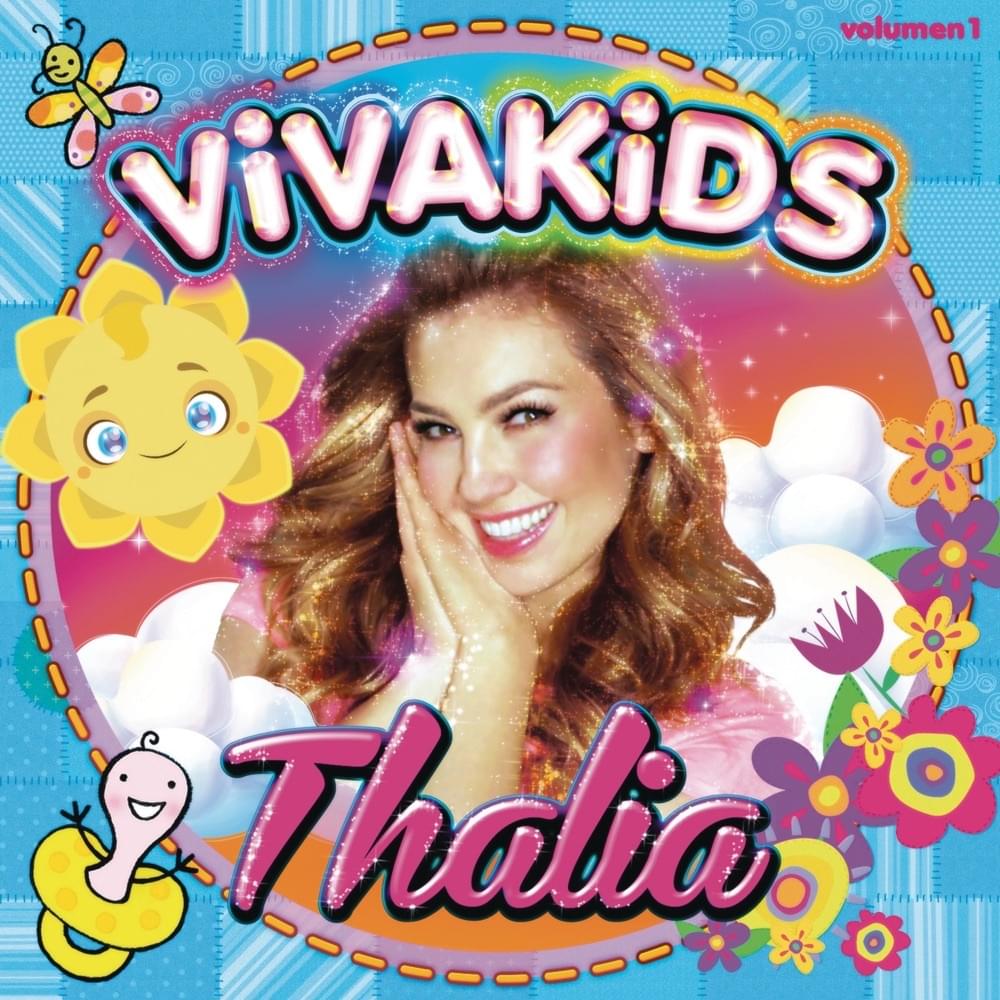
 View Artist