Song Meaning
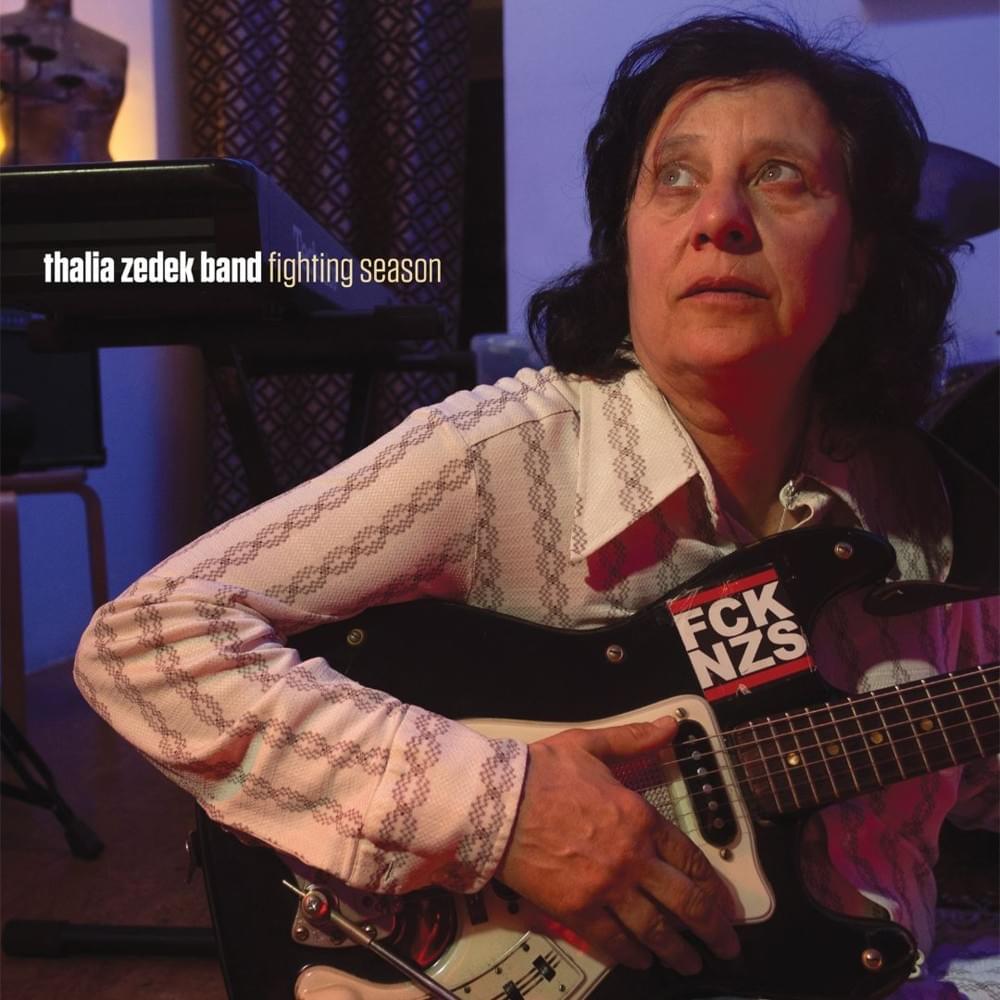
The lyrics present a stark dichotomy between passive acceptance and active engagement, framing a period of intense emotional conflict as 'fighting season.' The opening verses offer a series of direct commands, each paired with a contrasting action: run/hide, love/fight, walk/ride, hate/try. This relentless parallelism establishes a sense of inevitability, suggesting that in this particular season, all these actions are equally valid, or perhaps equally unavoidable. The repeated phrase, 'You don't have to have a reason,' underscores a feeling of emotional freefall, where actions are dictated by impulse rather than logic or justification.
The core tension emerges in the shift from generalized commands to direct address and shared experience. The narrator moves from observing potential actions to embodying them, mirroring the other person's stated desires. 'You say you wanna hurt / I'm hurt' and 'You say you wanna cry / I'm crying' reveal a deep, almost painful empathy or perhaps a resignation to being swept up in the emotional tide. This shared vulnerability, however, is explicitly linked to the 'fighting season,' implying that even connection and shared feeling are colored by the prevailing conflict.
The most striking element is the subtle redefinition of 'reason' itself. Initially, the lyrics insist on a lack of necessity for reasons, emphasizing a chaotic, unmotivated state. Yet, by the end, the shared hurt and crying become 'a reason,' albeit one born from the conflict. This suggests that the 'fighting season' creates its own logic, where shared emotional responses, even negative ones, become the very justification for the ongoing struggle. The lyrics don't offer resolution, but rather a potent snapshot of being caught in a cycle where emotional intensity, regardless of its source, defines the moment.
 View Artist