Song Meaning
This track captures the dizzying push-and-pull of a relationship that’s perpetually on the verge of something, yet never quite settles. The opening lines immediately establish a sense of bewildered infatuation, a recurring state of being "tongue-tied, starry-eyed." This isn't a new feeling; it's a familiar cycle, hinted at by the narrator's recollection of a past friendship that dissolved and reformed. The core tension lies in this pattern of departure and return, a dynamic that leaves the narrator feeling both hopeful and trapped.
The repeated phrase "And then come back again" acts as the song's central refrain, hammering home the cyclical nature of the connection. It’s not just a statement of fact, but an almost resigned observation, highlighting the lack of progress or resolution. The contrast between the initial innocence of "best friends" and the current emotional entanglement suggests a history that’s complicated, where past affection now fuels present confusion. The narrator is caught in a loop, constantly re-evaluating a connection that refuses to stabilize.
The bridge introduces a more philosophical, almost fatalistic perspective. The lines "You fall, I crawl, we see it all" and "you live, you love, you die, you see" suggest a shared experience of life's inevitable ups and downs, but with a crucial difference in agency. One character seems to initiate the cycles of falling and returning, while the other is left to "crawl" and pick up the pieces. This creates a subtle power imbalance, where one person’s grand narrative of living and dying is observed by another who is merely reacting.
Ultimately, the lyrics resonate because they articulate the exhausting yet compelling nature of a relationship that defies easy categorization. The "starry-eyed" feeling persists despite the repeated departures, suggesting a deep-seated hope or perhaps an inability to break free from the pattern. The song’s effectiveness comes from its raw portrayal of this emotional whiplash, making the listener feel the disorientation and the persistent, if fragile, hope that keeps the narrator coming back for more.
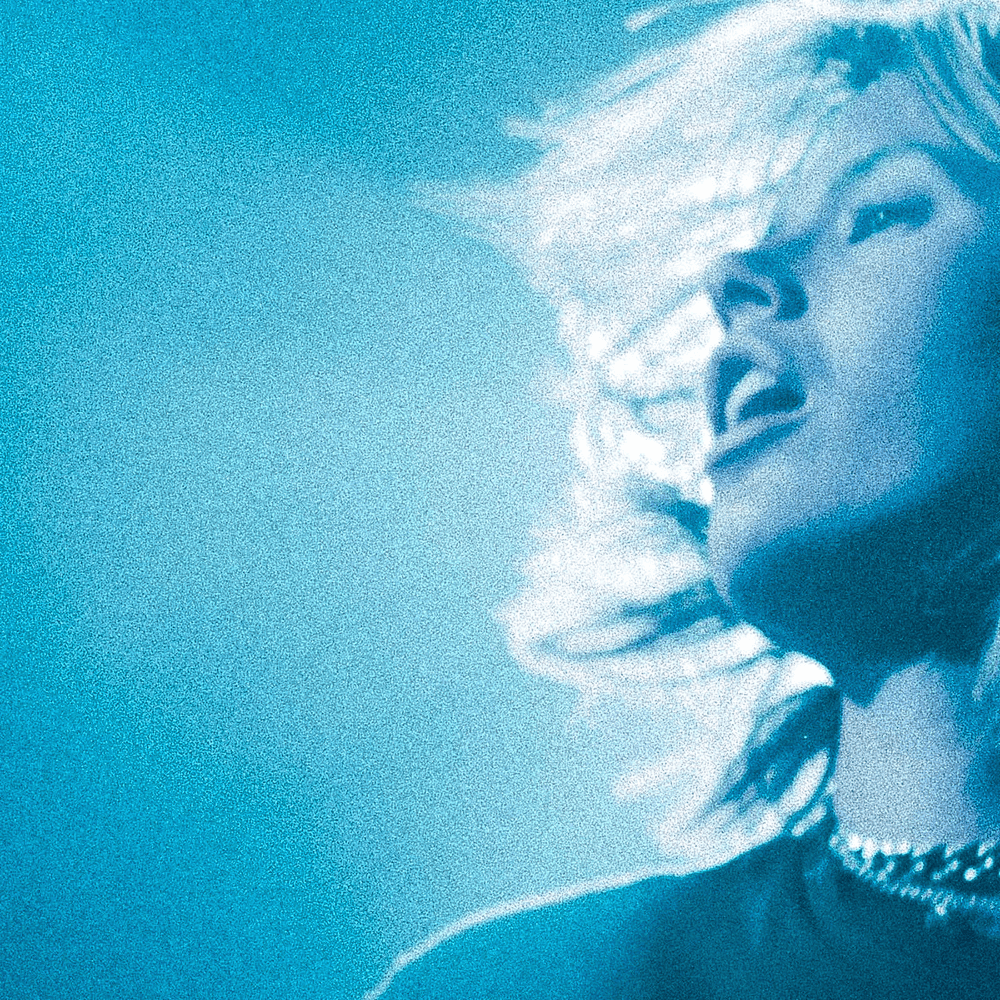
 View Artist