Song Meaning
The lyrics paint a picture of a relationship that feels unstable and unpredictable, much like the moon's phases. The narrator addresses their "man" as "my moon," immediately establishing a connection between his changeable nature and a celestial body. He's described as "so changeable" yet also "a loveable lamb," a juxtaposition that hints at a deep affection despite his erratic behavior. The narrator seems to be holding onto this person, even when things aren't ideal, as evidenced by the line "Heart on my sleeve, not where it should be." This suggests a vulnerability and perhaps a lack of self-protection in the face of the relationship's instability.
The central tension arises from the narrator's plea for stability and clarity. The repeated request, "Take it slow, take it easy on me / And shed some light, shed some light on me please," functions as a desperate appeal. It's a call for understanding and a gentler approach from a partner who seems to be causing emotional turmoil. The phrase "the song's out of key again" and the observation "My moon's white face, what day and what phase / It's the calendar page again" further emphasize a sense of things being off-kilter and a recurring pattern of unpredictability that the narrator is struggling to navigate.
The most striking aspect of the writing is the recurring motif of "my care, my coat." This phrase, paired with "leave on a high note / There's nowhere to go but on," suggests a pattern of the narrator offering their emotional investment or protection, only for the situation to escalate or for there to be no clear path forward. The line "My moon and me, not as good as we've been / It's the dirtiest clean I know" is particularly potent, capturing a feeling of a relationship that is superficially tidy but fundamentally flawed or corrupted. This paradox of "dirtiest clean" perfectly encapsulates the uncomfortable state of affairs.
Ultimately, the effectiveness of these lyrics lies in their ability to articulate a complex emotional state through vivid, if slightly abstract, imagery. The narrator isn't just sad; they're grappling with a partner whose nature is as elusive and cyclical as the moon. The repeated hook acts as a lifeline, a simple, earnest request for relief from this emotional whiplash. The final repetition of "My moon, the moon and my man" solidifies the inescapable connection between the celestial, the personal, and the narrator's own emotional landscape.
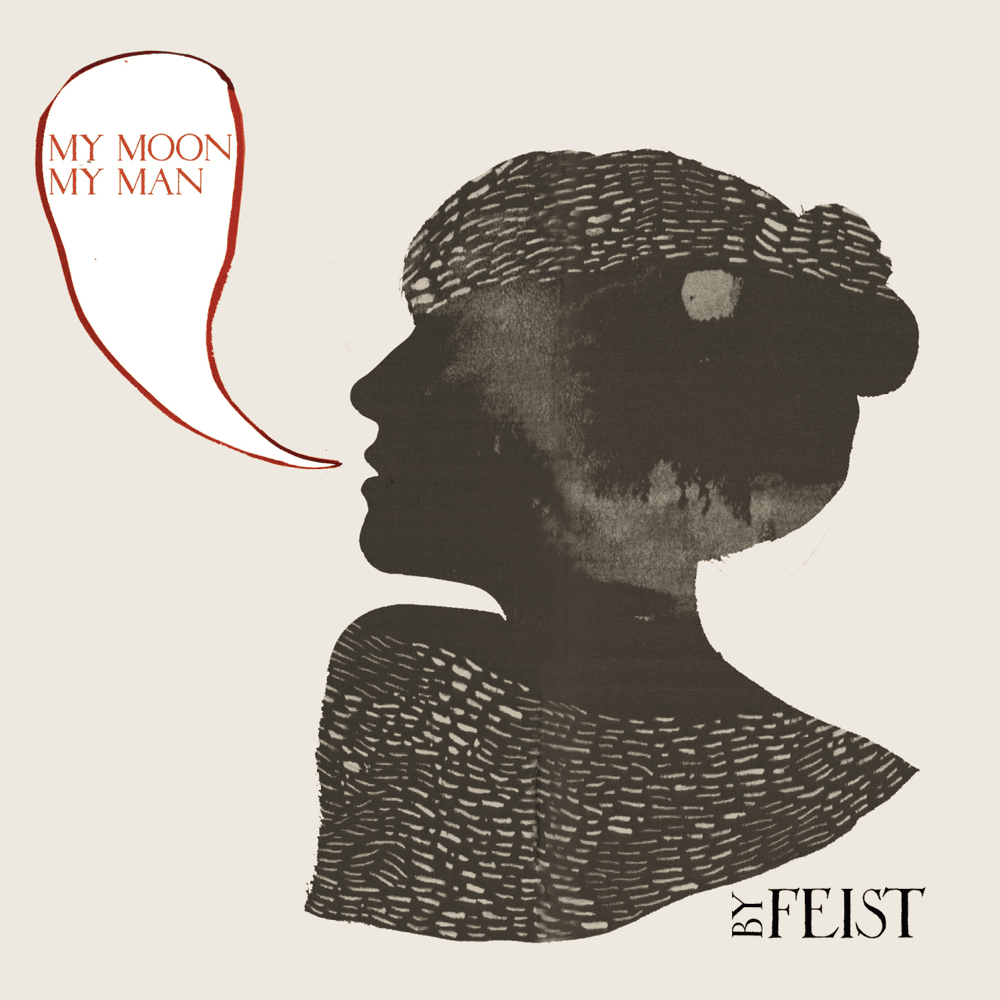
 View Artist