Song Meaning
The lyrics paint a picture of a quirky, self-contained reality, a "little world" where the narrator imposes their aesthetic preferences with a playful, almost obsessive, control. The initial focus is on a partner's body hair, specifically an "Iro" (mohawk) between her legs, which the narrator shaves. This act is described as sexually exciting and "chic," revealing a specific fetish or aesthetic preference. The narrator's shock at the partner's original desire for a "blank Skinhead" suggests a personal boundary or a preference for a slightly more "punk" (though still modified) look, leading to a compromise: shaving it down but leaving some hair.
The narrator then shifts to a domestic scene with a cat, highlighting a similar impulse to alter appearance for aesthetic reasons. The cat has a white coat with a black spot under its nose, which the narrator dyes blonde because it makes the cat look "like someone who wasn't nice to other people." This bizarre justification for altering the cat's appearance underscores the narrator's subjective and idiosyncratic standards for how things, and people (or pets), should look within their "little world." The underlying tension seems to be between the narrator's desire for control and the inherent wildness or individuality of others.
The central craft element is the repeated refrain, "Das ist meine kleine Welt / Schlicht und einfach wie sie mir gefällt / Und mag sie auch mal untergehn / Hauptsache die Haare stehn." This chorus acts as an anthem for the narrator's personal, perhaps even solipsistic, reality. The phrase "Hauptsache die Haare stehn" (as long as the hair stands up) is a striking, almost absurd, declaration of priorities. It suggests that superficial aesthetics, particularly hair, are paramount, even above the stability or well-being of this "little world" itself, hinting at a potentially fragile or superficial foundation for their contentment.
What makes these lyrics resonate is their unflinching, albeit strange, honesty about personal desires and the construction of one's own reality. The narrator's bluntness about shaving pubic hair and dyeing a cat's fur, coupled with the almost defiant chorus, creates a disarming effect. It’s the specificity of these oddities – the "Iro" between the legs, the cat's black spot, the blonde dye – that makes the narrator's "little world" feel both bizarrely unique and, in its own way, intensely felt and defended.
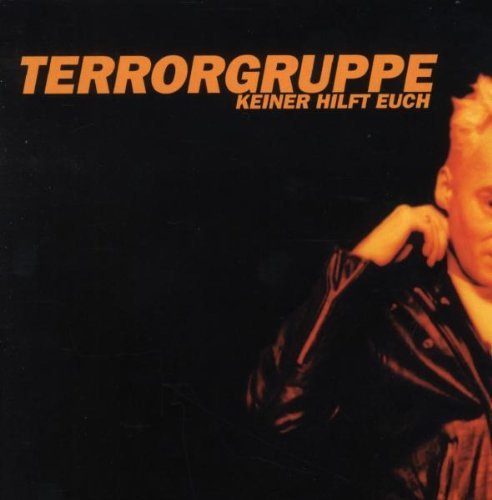
 View Artist