Song Meaning
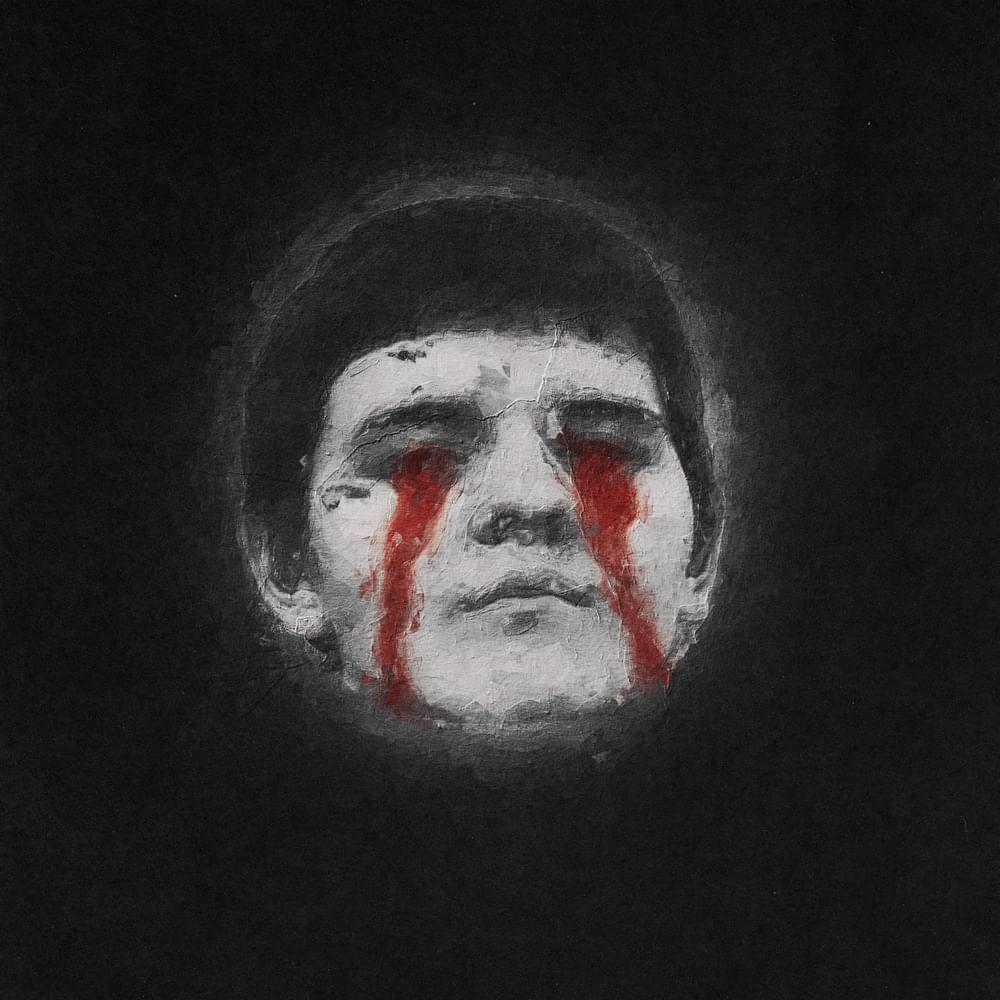
The lyrics paint a bleak picture of a world where agency is stripped away, leaving the narrator feeling victimized by external forces. Each new day is described as bringing harm, with decisions made by others dictating the narrator's actions, forcing them to "прижаться к земле" (press themselves to the ground). This earth is equated to hell, a "бессердечный йотунхейм" (heartless Jotunheim), suggesting a cold, unforgiving, and perhaps mythical or anciently cruel landscape. The concept of "имитация добра" (imitation of good) for the sake of "сотни жертв" (hundreds of victims) highlights a deep cynicism about altruism or imposed order, where good intentions pave the road to suffering.
The central tension arises from the narrator's struggle against this imposed reality and their own perceived identity. They declare, "Я - человек мира, а не наемник берсерк" (I am a man of the world, not a mercenary berserk), positioning themselves as a global citizen rather than a blindly obedient or destructive force. This internal conflict is amplified by auditory hallucinations of suffering: "Слышу во снах крик отчаянных людей" (I hear in dreams the cries of desperate people) and the "искаженный фон вражда братьев на убой" (distorted background, brothers' enmity for slaughter). The anticipation of "завтра новый день что подаст соус боль на стол" (tomorrow a new day that will serve the sauce of pain on the table) underscores a relentless cycle of suffering.
The lyrical craft effectively uses stark, almost apocalyptic imagery to convey this despair. The idea of a future where "мы все окажемся в котле без баррикад" (we will all end up in a cauldron without barricades) is particularly potent, suggesting a final, inescapable confrontation or dissolution where defenses are useless. This is contrasted with the notion that "Праздник не придет в дом без доблести" (a holiday will not come to a home without valor), implying that even in this hellish landscape, a sliver of hope or reward is contingent on an internal quality that seems absent or suppressed. The narrator's final act, "Я читаю молитву в отчаянии спастись" (I read a prayer in despair to be saved), encapsulates the overwhelming sense of helplessness and the desperate plea for an external intervention against an overwhelming tide of predetermined suffering.
 View Artist