Song Meaning
The lyrics paint a vivid picture of a life steeped in illicit activities and a self-proclaimed reign of power. The narrator boasts about a significant quantity of "hollow tips" and "dirty blips," immediately establishing a tone of danger and criminal enterprise. This is amplified by references to "36 Chambers" and "36 O's," suggesting a deep immersion in this world, perhaps even a nod to Wu-Tang Clan's iconic album, further cementing a gritty, street-level aesthetic. The imagery is dense with symbols of wealth and menace, from "diamonds in my ring" to the chilling declaration, "I'll merrily drink the blood of my enemies."
The central tension lies in the narrator's assertion of dominance and a warped sense of legitimacy within this criminal sphere. They compare themselves to notorious figures like Pablo Escobar and Chapo Guzmán, not as followers, but as equals or even superiors, declaring, "we praise Chapo." The lyrics suggest a worldview where power is derived from illicit gains and a willingness to engage in extreme violence, positioning themselves as a "better king" than historical figures. This self-aggrandizement is juxtaposed with the mundane act of "chillin' with salt," creating a disquieting contrast between the perceived grandeur of their lifestyle and the stark reality.
A particularly striking element is the meticulous detail given to the instruments of their trade and the symbols of their status. The mention of "thousand dollar bullets with etched names" is a chilling detail, transforming ammunition into personalized trophies of past transgressions. This level of specificity elevates the lyrics beyond simple boasts, suggesting a calculated and almost ritualistic approach to their violent endeavors. The reference to "white look like the X-Games" is another potent image, linking the purity and intensity of their product or lifestyle to extreme, high-stakes competition.
Ultimately, these lyrics are effective because they create an immersive, albeit disturbing, portrait of a kingpin persona. The dense allusions, the starkly violent imagery, and the unwavering self-confidence combine to forge a powerful, if morally reprehensible, narrative. The narrator isn't just describing a lifestyle; they are constructing an identity built on fear, wealth, and a complete rejection of conventional morality, culminating in the defiant declaration of being "Passport Kings flex all around the globe."
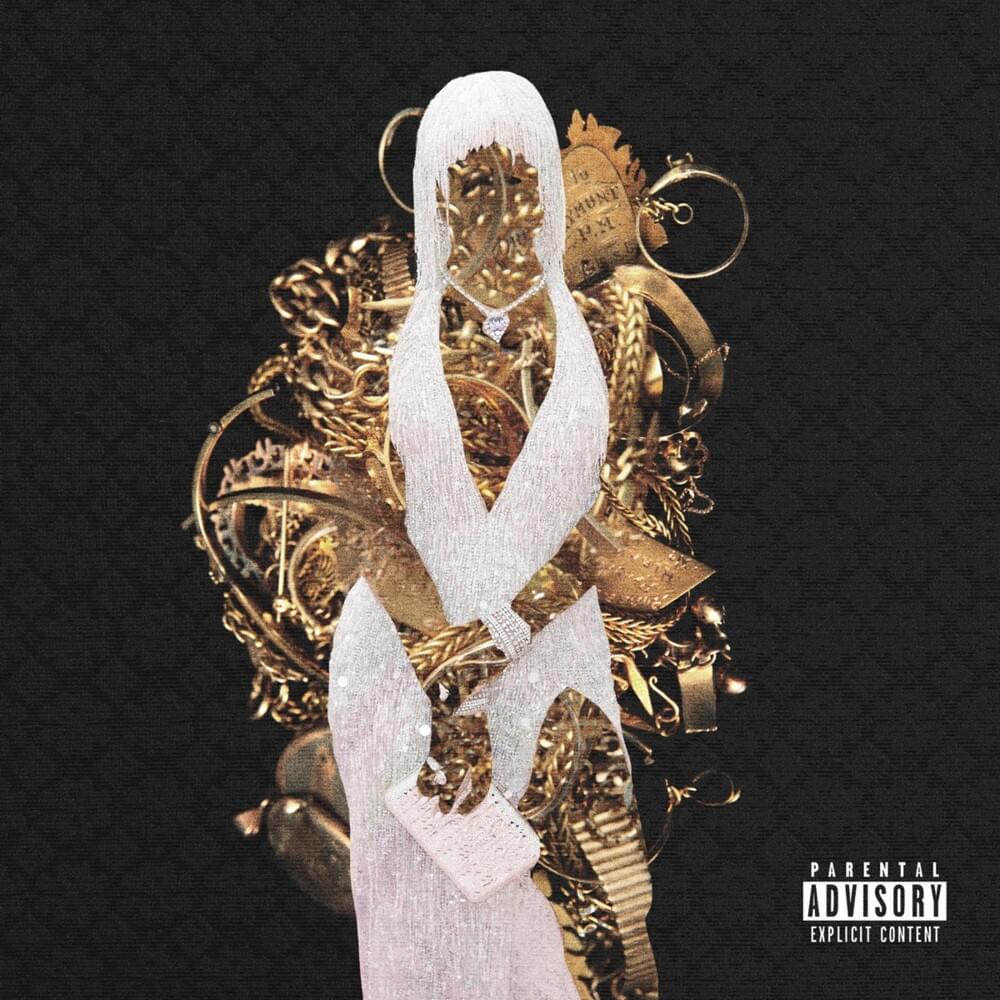
 View Artist