Song Meaning
The lyrics paint a stark picture of isolation, even amidst a populated environment. The narrator describes a quiet night where the "old house seems to breathe a sigh," immediately establishing a sense of melancholy. This feeling is amplified by the subtle, almost imperceptible sounds of life nearby – a "neighbor snoring," a "baby cry," a "staircase creaking," a "distant telephone." These are not sounds of connection, but rather fleeting reminders of others' existence, emphasizing the narrator's own solitude.
The central tension lies in the paradox of being "lonely with so many neighbors" and "lonely with all these folks around." The narrator explicitly questions this disconnect, observing that even "sparrows have companions" and "stray dogs find a friend." This highlights a profound sense of alienation, a feeling of being fundamentally unable to form connections despite being surrounded by potential ones. The repetition of "lonely" – "lonely house, lonely me," "lonely street, lonely town" – hammers home the pervasive nature of this emotional state.
The most striking craft element is the personification of the house as a fellow lonely entity. The house "breathes a sigh" and is "all alone" with the narrator, mirroring their internal state. This shared loneliness between the narrator and their dwelling creates a powerful, almost suffocating atmosphere. The narrator’s wish to "unhook the stars" suggests a desire to escape the romanticized imagery of the night, which only serves to highlight their own lack of romantic connection and deepens the feeling of being out of sync with the world.
Ultimately, these lyrics resonate because they articulate a specific, yet widely felt, form of modern loneliness. It’s not about being physically alone, but about the emotional chasm that can exist even when surrounded by people. The simple, direct language and the recurring motif of loneliness make the narrator's quiet despair palpable and deeply affecting.
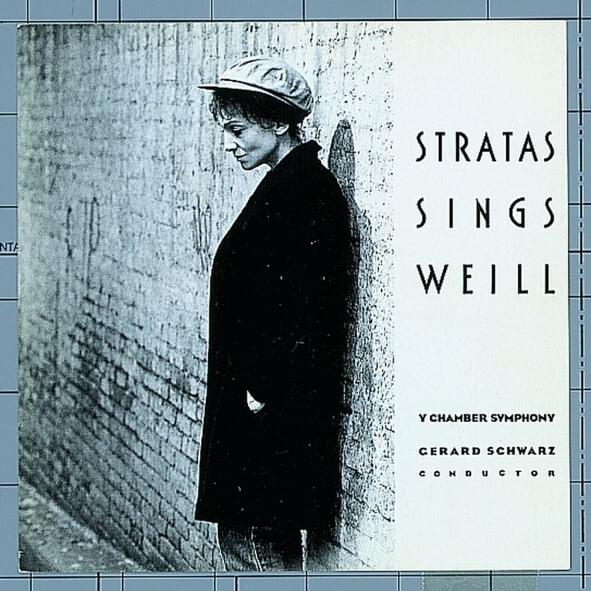
 View Artist