Song Meaning
The lyrics paint a picture of someone being urged to shed their inhibitions and embrace a more performative, perhaps even hedonistic, lifestyle. The repeated refrain, "Get out of your head / Get into my bed she said," sets a tone of playful, insistent seduction, pushing the narrator towards action and away from overthinking. It’s an invitation to stop being introspective and start being present, even if that presence is about putting on a show.
The central tension seems to lie between the narrator's internal world and the external demands for performance and engagement. Phrases like "Get your wiggle on" and "Strut like Sinatra" suggest a need to adopt a certain persona, to be outwardly confident and captivating. This is contrasted with the idea of being "in your head," implying a state of anxiety or self-consciousness that the speaker is being encouraged to overcome. The lyrics propose that shedding this mental burden is as simple as adopting a new attitude, one that is readily available and perhaps even cheap – "It sells for a penny."
A fascinating craft element is the way the lyrics weave together pop culture references with a sense of artistic creation. We see nods to "Sinatra," "Bowie and Jagger," and even specific musical acts like "The Byrds and The Beatles." These aren't just name-drops; they function as archetypes of charismatic performance. The idea of "sampling someone's song" and "singing for your supper" points to the transactional nature of art and performance, while "unwritten sonnets" being turned into "honey" by "bees in their bonnets" suggests that even unexpressed creativity can yield something sweet and valuable when channeled correctly.
Ultimately, the effectiveness of these lyrics comes from their direct, almost command-like language combined with evocative imagery. The repeated, simple instructions create a sense of urgency, while the cultural touchstones provide a framework for understanding the desired transformation. It’s about the liberation found in embracing a performative self, a swagger that allows one to "float" and "dance in the street," turning internal anxieties into external, tangible output, much like a "record groove" that keeps playing.
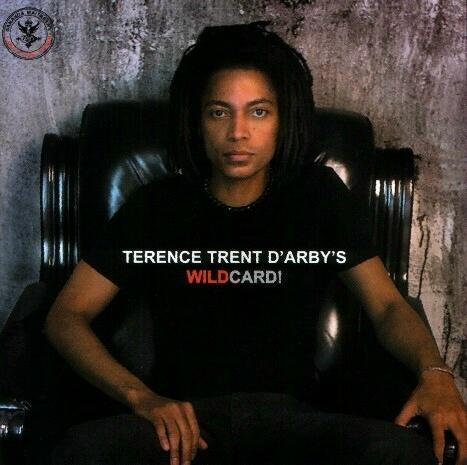
 View Artist