Song Meaning
The narrator is grappling with the painful necessity of ending a relationship, even as they resist the finality of goodbye. There's a clear internal conflict: the desire to stay versus the knowledge that it's time to leave, framed by a plea to avoid dishonesty. The core tension lies in the acknowledgment that while some things are good 'for a season,' they aren't meant to last forever, creating a difficult but unavoidable transition.
The lyrics paint a picture of a life in motion, where personal growth and self-definition are paramount. The narrator feels compelled to "define my life and times" before they can offer more than sorrow to their partner. This suggests a need for individual development, implying that the relationship, in its current state, cannot accommodate this necessary evolution. The partner's emotional distress is palpable, described as a heart "stretched to the point of breaking" and "sorrow is waking."
A striking image is the idea of love being "freeze[d] in time" by the partner, a "complicated curse" that prevents forward movement. The narrator suggests this stagnation stems from the partner losing themselves within the relationship, becoming so enmeshed that their own identity blurs. The narrator's potential awakening is framed not as a betrayal, but as a consequence of the partner's own self-neglect within the union.
Ultimately, the effectiveness of these lyrics hinges on their raw honesty about the end of things. The recurring phrase "It's alright for a season / But then it's time to go" acts as a somber refrain, capturing the bittersweet reality that some connections, however meaningful, have a natural expiration date. The narrator’s struggle to articulate this, their aversion to the "exit line," makes the inevitable departure feel all the more poignant and human.
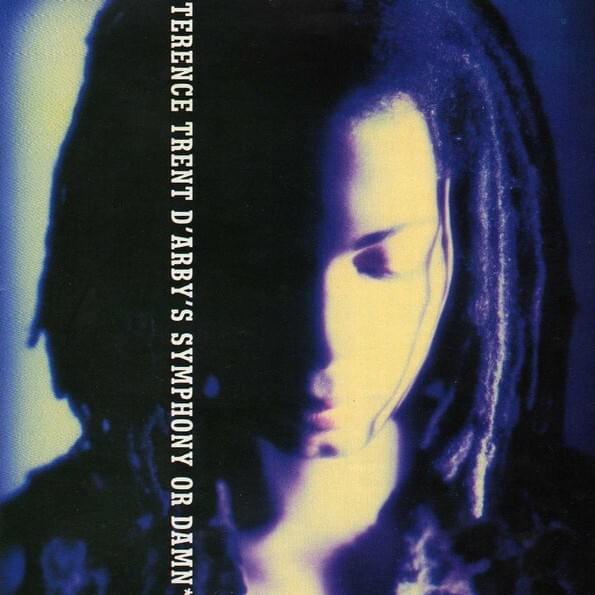
 View Artist