Song Meaning
The lyrics paint a picture of a life previously barren and unchanging, a stark landscape of "desert sands" and a heart that felt like "stone." This existence was static, marked by seasons that "never changed" and a lack of clear "reasons." The arrival of "you" is presented as a transformative event, a catalyst that breaks this stasis and introduces life and warmth where there was only desolation. The repeated phrase "'Til you" acts as a powerful pivot, marking the clear division between a past of emptiness and a present filled with newfound feeling.
The central tension lies in the contrast between the narrator's prior state of emotional and existential drought and the profound relief and joy experienced after finding love. Before "you," the narrator was "dying on the roam," a wanderer "crying for a home," suggesting a deep-seated loneliness and lack of belonging. This hardship makes the subsequent declaration, "it feels so good to love / Someone like you," land with immense weight, highlighting the transformative power of connection.
The most striking aspect of the writing is the use of stark, elemental imagery to depict the narrator's internal state. The shift from "desert sands" and "stone" to the implied warmth and life brought by "you" is incredibly effective. The brief, sharp phrases like "Flesh and bones / Made of stone" and "Fire's cry / The embers die" create a sense of arrested development or decay that is dramatically reversed by the presence of the loved one. This contrast underscores the depth of the transformation.
Ultimately, these lyrics resonate because they articulate a universal human experience: the profound impact of finding someone who brings color and meaning to a previously muted existence. The carefully chosen images of desolation and the simple, direct declaration of happiness make the emotional payoff feel earned and deeply satisfying. The writing doesn't overcomplicate; it uses powerful, contrasting images to show how love can turn a barren life into a vibrant one.
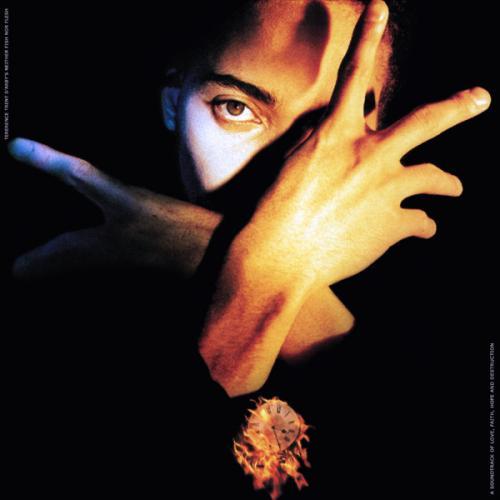
 View Artist