Song Meaning
The lyrics paint a picture of persistent, almost involuntary affection despite a clear separation. The opening lines immediately establish a sense of unease and unanswered questions, with the narrator wondering about the other person's internal state and why they didn't react more strongly. This sets up a core tension: the narrator acknowledges their own missteps, admitting they "say the wrong thing now and then" and "say things that I ought (not to)", yet this self-awareness doesn't diminish their feelings.
The central conflict lies in the dissonance between the reality of separation and the enduring emotional attachment. The narrator is "all alone now long down the line," experiencing "tear storms" and "loneliness." This isolation is juxtaposed with the powerful, recurring declaration, "I still love you." The lyrics suggest a love that transcends the practicalities of the relationship, persisting even when the narrator is no longer actively involved in the other's life, as indicated by "it's no longer my pail to pull and all."
The most striking craft element is the extended metaphor of the tide. This imagery captures the cyclical nature of the narrator's emotions and the relationship's past. Like the tide, love rises and falls, powerfully impacting the shore (the narrator's emotional landscape) before receding. This natural, relentless force mirrors the narrator's own persistent feelings, which continue to "slap against the beach" even after the relationship's active phase has ended and the "weight of all our years" seems to whisper.
This persistent, almost elemental declaration of love, despite acknowledging personal fault and the finality of their separation, is what makes these lyrics so poignant. The repeated "I still love you" acts as an anchor, grounding the listener in the narrator's unwavering emotional truth amidst the sorrow and loneliness. It’s a raw, unvarnished expression of a love that simply refuses to let go, even when logic or circumstance dictates it should have already have already faded.
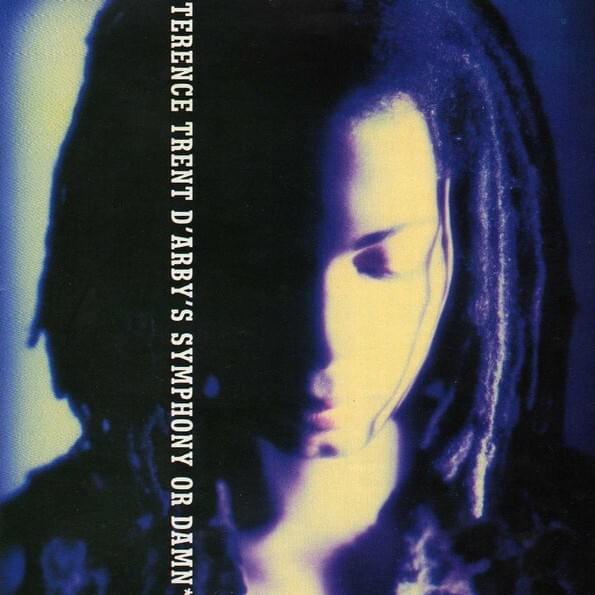
 View Artist