Song Meaning
On the surface, the lyrics paint a picture of someone who presents a strong, honest front to the world, maintaining their reputation and appearing healthy. This outward confidence, however, masks a deep internal struggle that surfaces in the quiet of the night. The contrast between the public persona and the private torment is stark, suggesting a hidden vulnerability.
The core tension arises from an internal battle, where a malevolent force, referred to as "Paha" (Evil), exerts control. This entity whispers in the ear, commands actions, and forces the individual into "unholy rituals." The narrator appears to be wrestling with this inner darkness, which dictates their actions and leads them astray, even when they are alone.
The lyrics employ striking imagery to convey this internal conflict. The idea of a "skeleton in the closet" is literalized as a whispered presence, and the malevolent force "strips like clothing" the will of the individual. Even with a "sword at its edge," this force has a "dull mind," implying a destructive, unthinking compulsion that the narrator has been trying to escape for years, searching for a "cure in the forest."
This internal conflict, presented through vivid personification of evil and the stark contrast between outward appearance and inner turmoil, creates a powerful sense of dread and helplessness. The effectiveness lies in how the lyrics make the abstract concept of inner demons feel like an external, commanding entity, driving the narrative with a relentless, destructive force.
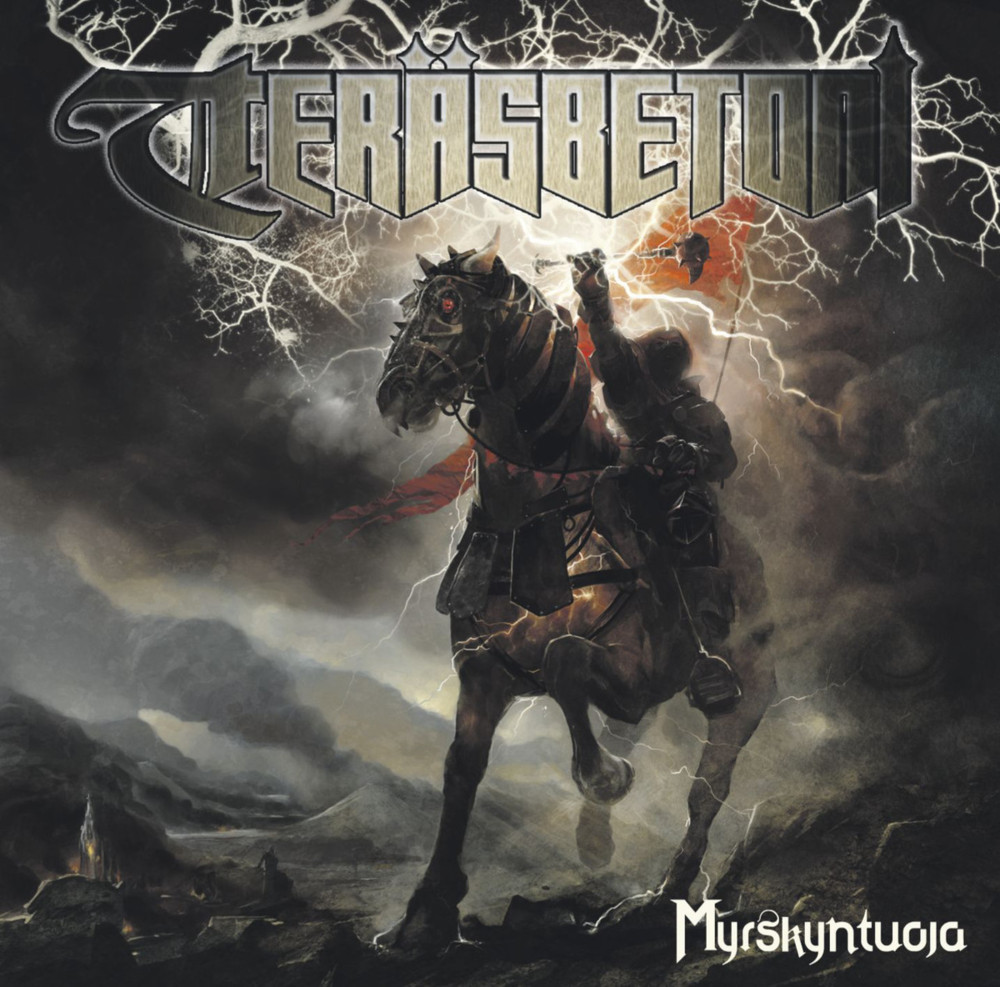
 View Artist