Song Meaning
The lyrics paint a stark picture of duty and conflict, setting a scene where harsh elements like storms and winds are contrasted with the warmth of a hearth. This immediate juxtaposition establishes a core theme: honor and masculinity demand the performance of a duty, regardless of external conditions. The world is presented as cold, yet the call to heroism is undeniable, specifically seeking out the brave and rejecting the timid.
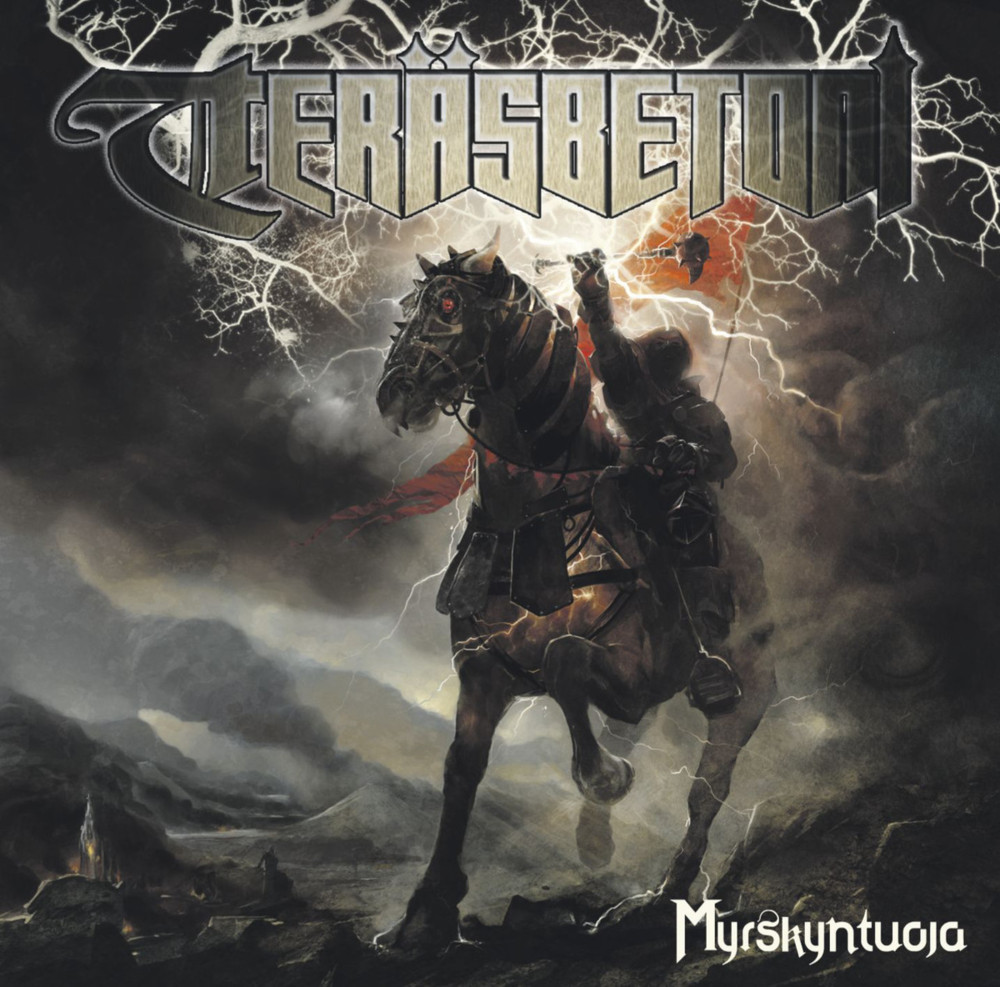
The central tension lies in the stark dichotomy between the actions of 'men' and the fate of the 'sheep.' The repeated question, "Missä miehet ratsastaa" (Where men ride), is immediately answered with the assertion that "lampaat ei voi laiduntaa" (sheep cannot graze) and that "susien ulvontaa" (wolves' howling) can be heard. This powerfully suggests that the presence of these 'riding men' creates an environment of danger and displacement, where vulnerability cannot exist.
The most striking craft element is the potent imagery of the 'riding men' versus the 'sheep' and 'wolves.' This isn't just about bravery; it's about a forceful, perhaps destructive, presence that fundamentally alters the landscape. The lyrics suggest that this masculine duty, tied to "urhoollisuus" (bravery), inherently brings about a state of fear and exclusion for the less capable or the preyed upon.
Ultimately, the effectiveness of these lyrics stems from their unyielding portrayal of a brutal, almost primal, sense of obligation. The cyclical questioning and the stark pronouncements create a sense of inevitability. The lyrics don't offer comfort; instead, they articulate a worldview where certain actions, driven by a specific definition of masculinity, create a world where only the strong or the predatory can thrive, pushing out the vulnerable.
 View Artist