Song Meaning
The lyrics open with a stark dichotomy: "ash" and "ice" held in the palm, suggesting a duality of destruction and coldness, or perhaps remnants and frozen potential. This is immediately framed as a choice between "chance" and "home," a fundamental decision point. The narrator then offers the listener's "pain" as a potential "wing," a powerful image of transforming suffering into something that can lift one up, leading to the recurring motif of "swan steel" waiting in the clouds, an ethereal and perhaps unattainable ideal.
The central tension seems to lie in the inherent solitude versus the impossibility of true isolation. The speaker claims a solitary existence, like an "arrow's right," but immediately counters that "no one is ever alone." This paradox highlights a deep-seated human need for connection, even when circumstances or personal inclination push towards separation. The "unreliable" nature of "eye color" mirrors the untrustworthiness of appearances or initial judgments, further complicating the idea of knowing oneself or others, especially in the context of this waiting "swan steel."
The repeated, almost chanted "Steel!" is a forceful assertion, a grounding element against the more abstract imagery. It acts as a raw, visceral affirmation, cutting through the ambiguity. This repetition, juxtaposed with the delicate "swan" imagery, creates a compelling contrast between brute strength and graceful aspiration. The lyrics suggest that this "swan steel" is not just a passive waiting entity but something that demands recognition and perhaps even a forceful embrace, as indicated by the call to take "ash" and "ice" again.
Ultimately, the effectiveness of these lyrics stems from their ability to evoke a profound sense of existential searching and the struggle against isolation. The imagery is potent and deliberately ambiguous, forcing the listener to confront their own experiences of pain, choice, and the elusive nature of ideals. The final lines, moving from the "hunt" melting like a "shadow" to facing the "day" after a "night," offer a glimmer of hope, suggesting that the transformation of pain into flight, represented by the "swan steel," is a process that begins with acknowledging the present and moving forward.
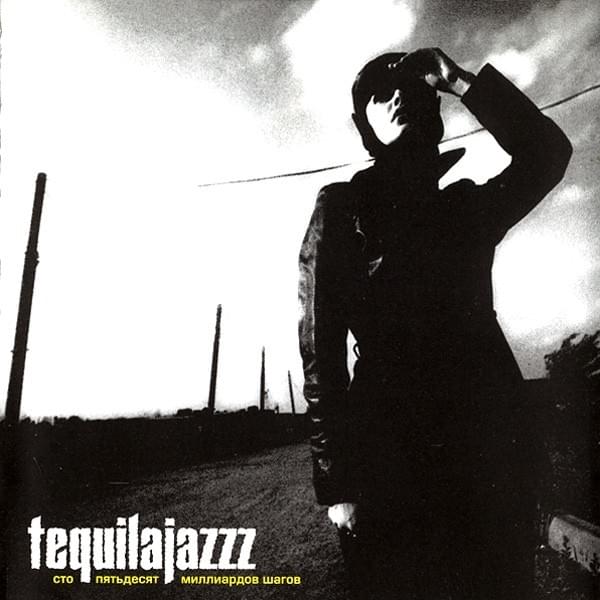
 View Artist