Song Meaning
The lyrics paint a stark, nocturnal landscape where the narrator stands on a "shore on the left, night on the right." Beneath their feet, "heaps of fire" suggest intense, perhaps destructive, energy. The pervasive smoke offers no solace, as it's explicitly stated to be dependent on the narrator, mirroring how their own actions and time spent on a "bridge" dictate their reality. This bridge, built after a "long rain," represents a significant effort or transition, yet the outcome is a profound sense of loss: "everything remains, but the stars." This refrain, repeated insistently, underscores a feeling of being grounded, perhaps even trapped, with celestial guidance or aspiration now out of reach.
The central tension arises from this paradox of having "everything" but lacking something essential – the stars. The sky above is "night," and the ground below is "shadow," reinforcing the darkness and lack of illumination. Even the smoke, a recurring element, fails to provide warmth or comfort. The sun is too indifferent to intervene, and the birds, sensing this, depart. Their flight is accompanied by a "wind sent by fire," a potent image suggesting that even change and movement are fueled by this underlying destructive force, leading them to new nests but still leaving them "everything, but the stars."
The lyrics employ a striking contrast between tangible elements – the shore, the night, the fire, the bridge, the nests – and the intangible, aspirational loss of the stars. The third stanza introduces a dreamlike, uncertain quality, with "pre-dawn clouds" obscuring reality and "useless moonlight" hiding its "sleepy ray." This light, paradoxically, wants to get lost in "a hundred coordinates" and abandon its post, suggesting a desire to escape the confines of its function. The narrator seems to be singing "songs about everything, but the stars," further emphasizing the deliberate avoidance or impossibility of reaching for something beyond the immediate, tangible, and perhaps grim reality.
This lyrical construction is effective because it grounds existential longing in concrete, almost bleak imagery. The repetition of "besides the stars" acts like a recurring ache, a constant reminder of what is missing despite apparent completeness. The dependence of the smoke on the narrator, and the wind being "sent by fire," create a sense of inescapable consequence and internal combustion. The lyrics don't offer easy answers but instead immerse the listener in a specific emotional atmosphere of profound, yet strangely specific, deprivation.
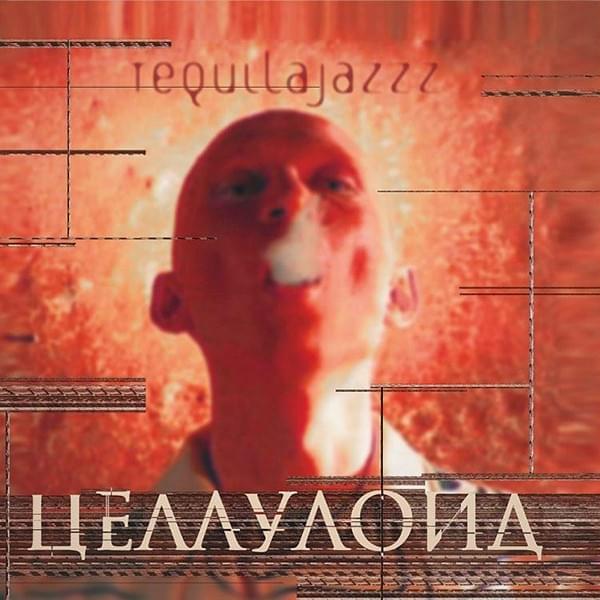
 View Artist