Song Meaning
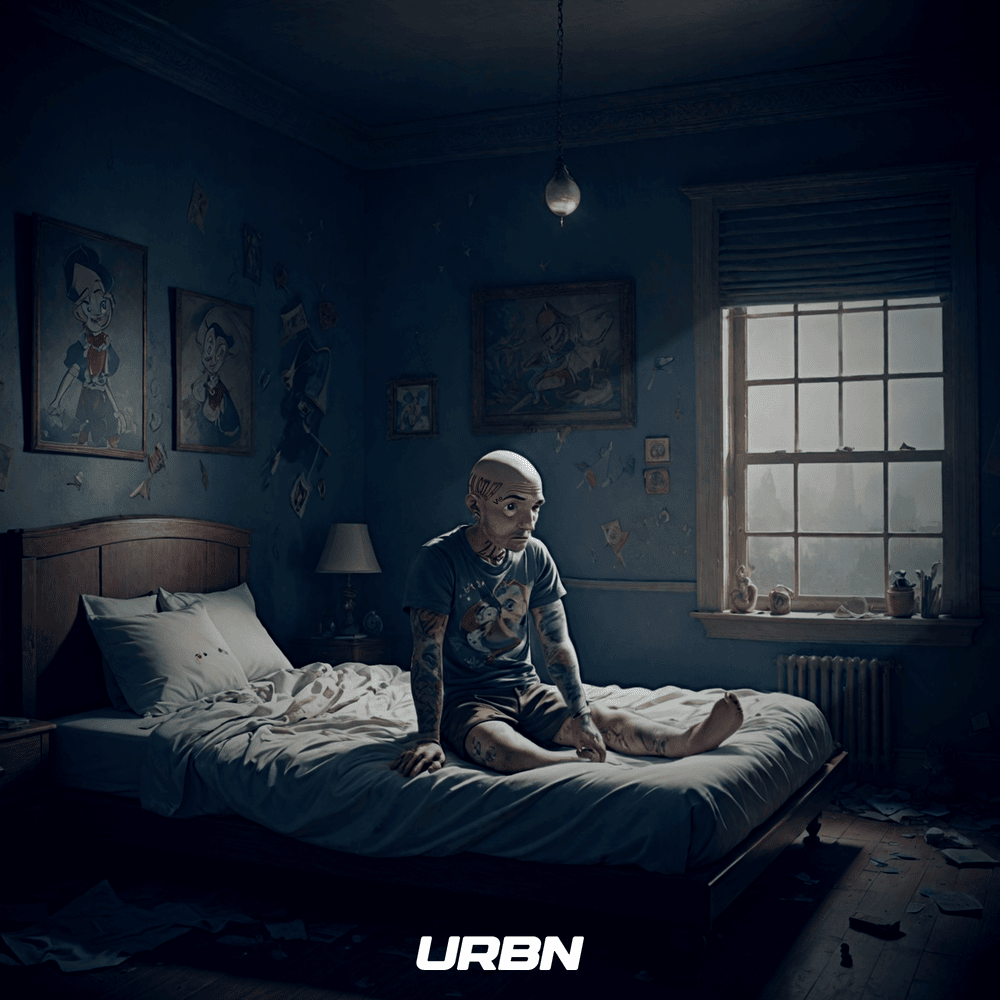
The lyrics paint a stark picture of being trapped in a state of limbo, a purgatory where the soul is suspended and unable to move forward. The opening lines immediately establish a sense of dread and uncertainty, with dreams filling the night and the possibility of never waking up. This feeling of being stuck is explicitly named as "araf," a Turkish word for purgatory or a transitional state, highlighting the narrator's profound discomfort and inability to endure this in-between existence any longer.
The dominant emotional tension arises from this inescapable stasis, amplified by a sudden, overwhelming darkness that eclipses even the sun. The imagery of an unfixable accident, beyond the scope of any insurance or expert appraisal, powerfully conveys a sense of irreversible damage and a situation that defies logical solutions or compensation. This helplessness fuels the feeling of being lost in "unbearable feelings."
A particularly striking cyclical metaphor emerges with the lines "Önce yanıca'z, sonra sönüce'z / Hep beraber en dibi görüce'z." This suggests a process of destruction followed by extinction, a descent to the absolute bottom. The subsequent realization, "Doğmak için ölüce'z / Yeniden doğmak için ölüce'z," introduces a paradoxical and bleak concept: that birth, or perhaps a new beginning, can only be achieved through death. This cyclical, self-destructive path is presented as something that wasn't considered for years, adding a layer of tragic inevitability.
What makes these lyrics resonate is their raw depiction of existential despair and the chilling cyclical nature of suffering. The narrator isn't just sad; they are fundamentally stuck, facing a future that seems to require annihilation for any potential rebirth. The stark, almost fatalistic imagery of burning out, extinguishing, and dying to be reborn creates a powerful, unsettling emotional impact, leaving the listener with a profound sense of dread and the weight of an unresolvable predicament.
 View Artist