Song Meaning
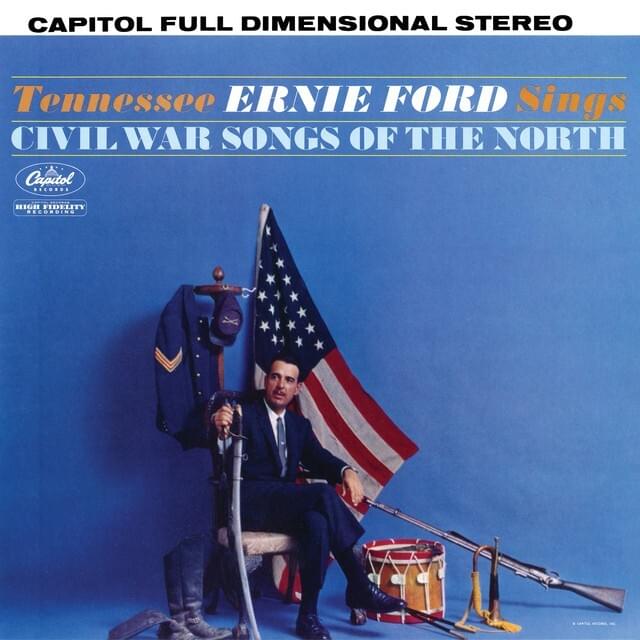
Tennessee Ernie Ford's rendition of "The Vacant Chair" is a stark, emotionally resonant exploration of grief and remembrance in the wake of war. More than a simple lament, the song delves into the psychological impact of loss, specifically focusing on the absence felt by those left behind. The titular vacant chair becomes a potent symbol, not just of physical absence, but of the unfillable void within the family unit and the community. The lyrics, steeped in the language of 19th-century mourning, paint a vivid picture of a family grappling with the death of "noble Willie," a young man who perished in battle. The repeated line, "We shall meet, but we shall miss him," underscores the paradoxical nature of grief – the knowledge that reunion is impossible clashes with the enduring power of memory and love. It speaks to the enduring human need to connect with the deceased, even in the face of permanent separation. The song uses the imagery of a "golden cord severed" to represent the abrupt and irreversible nature of death, highlighting the shattering of hopes and dreams.
Beyond the immediate sorrow, "The Vacant Chair" touches on the complexities of patriotic mourning. While acknowledging the "wreaths of glory" bestowed upon the fallen soldier, the song doesn't shy away from the raw, personal anguish that such honors can't fully alleviate. This tension between public heroism and private grief is central to understanding the song's emotional weight. The lyrics acknowledge Willie's commitment to upholding the country's honor, framing his death as a sacrifice. However, it simultaneously emphasizes the enduring pain experienced by those who knew and loved him, who are left to grapple with the void he left behind.
The final verse offers a somber image of Willie's burial, emphasizing the finality of death with the phrase "early fallen." The natural imagery – "pine and cypress" mingling with tears – creates a melancholic atmosphere, underscoring the enduring connection between grief and the natural world. In its entirety, Tennessee Ernie Ford's "The Vacant Chair" offers a poignant meditation on loss, remembrance, and the enduring human cost of war, exploring the song meaning through its stark imagery and emotional honesty. The song's power lies in its ability to tap into the universal experience of grief while simultaneously acknowledging the specific circumstances of loss in a time of conflict. It's a powerful reminder that even amidst national pride and heroic narratives, individual sorrow remains a profound and enduring reality.
 View Artist