Song Meaning
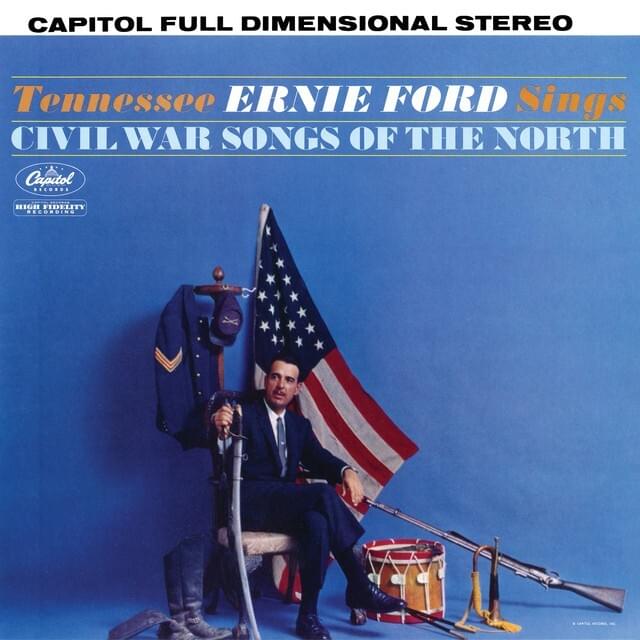
Tennessee Ernie Ford's rendition of "The Girl I Left Behind Me" isn't just a sentimental war tune; it's a study in the psychology of duty, love, and the narratives we construct to justify our choices. The song meaning pivots on the tension between personal affection and patriotic obligation. The singer, a soldier, grapples with the emotional weight of departure, painting a picture of a tearful farewell. Yet, this personal sacrifice is immediately framed within a larger narrative of national glory. The lyrics betray a subtle effort to rationalize leaving, casting the relationship as a noble sacrifice on the altar of freedom. It is an act of self-deception, of recasting abandonment as valor. The 'sweet girl' becomes a symbol, an emblem of what is worth fighting for, conveniently justifying the soldier's absence. The song is a fascinating exploration of cognitive dissonance, a coping mechanism employed to reconcile conflicting emotions. The soldier's repeated assurances, both to the girl and himself, highlight the fragility of this constructed narrative.
Beneath the surface of patriotic fervor lies the soldier's anxiety about worthiness. The lyrics subtly hint at a fear of being forgotten, of being replaced in the girl's affections. His constant assertion that he will remain 'worthy of thy love' speaks to a deep-seated insecurity, a need for external validation. The song cleverly interweaves personal and national identity, suggesting that the soldier's worth as a lover is intrinsically linked to his success on the battlefield. This conflation reveals a fragile ego, one that seeks to bolster itself through acts of heroism and conquest. The 'glory of that fight' is not just a nationalistic ideal but a personal quest for validation, a means of proving himself worthy of the love he left behind.
Ultimately, "The Girl I Left Behind Me" becomes a poignant meditation on the psychological cost of war. It's not just about physical danger but about the emotional toll of separation, the burden of guilt, and the constant need to justify one's actions. The final verse, with its conditional promise of return, exposes the underlying uncertainty and vulnerability. The soldier's hope for 'final victory' is intertwined with his desire for 'sweet thoughts' of the girl, suggesting that his motivation is not purely altruistic. It's a complex mixture of duty, love, and self-preservation. The song avoids simplistic glorification, offering a nuanced portrayal of the internal struggles of a soldier torn between love and obligation. The haunting melody, combined with the bittersweet lyrics, creates a powerful and enduring portrait of human frailty amidst the backdrop of war.
 View Artist