Song Meaning
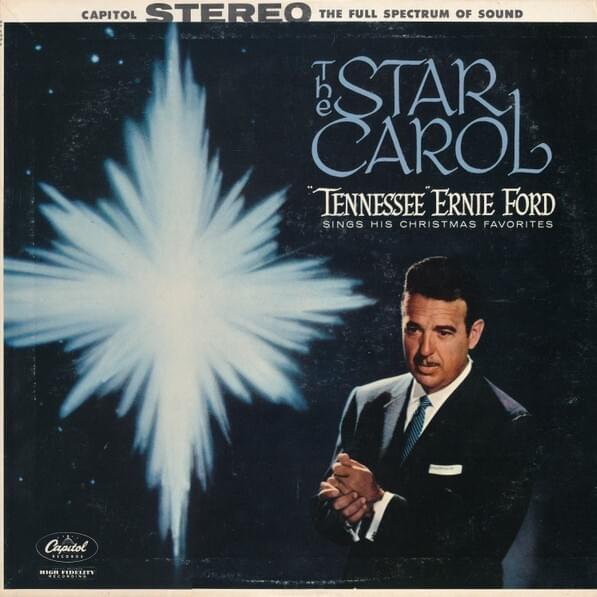
Tennessee Ernie Ford's rendition of "O Holy Night" is more than just a Christmas carol; it's a soaring expression of hope and spiritual awakening. The song, at its core, addresses a profound human longing – the yearning for redemption and a release from the weight of worldly suffering. Ford's delivery, imbued with his characteristic warmth and gravitas, amplifies the inherent drama of the lyrics, transforming a familiar hymn into a deeply personal and resonant experience. The opening lines paint a vivid picture of celestial beauty, immediately establishing a sense of awe and reverence. This isn't just about a historical event; it's about a moment of profound transformation, both for the individual and for the world.
The true power of "O Holy Night," particularly as interpreted by Ford, lies in its emotional arc. The lyrics move from a depiction of a world "in sin and error pining" to one filled with hope and rejoicing. This isn't a passive observation, but an active invitation to participate in this transformation. The call to "fall on your knees" isn't about blind obedience, but about surrendering to the possibility of something greater, of finding worth and meaning in the face of existential weariness. The "thrill of hope" is palpable, a direct response to the arrival of something truly divine.
Ultimately, Ford's performance imbues "O Holy Night" with a sense of timelessness. It transcends the specific religious context, becoming a universal anthem for the human spirit's capacity for renewal. The song's enduring appeal speaks to our fundamental need for hope, for the belief that even in the darkest of times, a "new and glorious morn" is possible. The song's core message connects to the psychological need for meaning and purpose, offering a potent reminder of the potential for transformation that lies within us all, regardless of belief.
 View Artist