Song Meaning
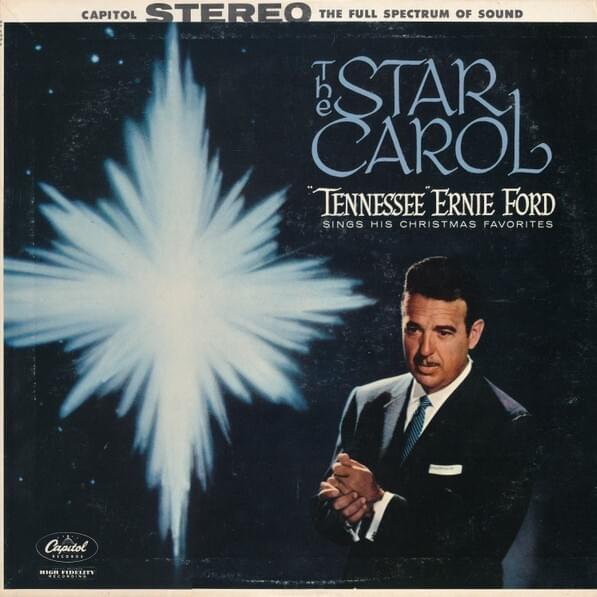
Tennessee Ernie Ford’s rendition of "Joy to the World" is more than just a Christmas carol; it's a jubilant declaration of spiritual renewal, a collective emotional upwelling triggered by the arrival of a transformative force. The lyrics bypass the specifics of religious doctrine, instead focusing on the visceral, all-encompassing feeling of joy itself. It’s not a song about intellectual assent but rather an invitation to experience a profound shift in perspective, a world where "every heart" opens to something greater. The repeated call for "heaven and nature" to sing underscores the universality of this experience, suggesting that joy isn't confined to the human realm but reverberates throughout the entire cosmos.
The genius of "Joy to the World" lies in its simplicity and expansive scope. The lyrics don’t preach; they proclaim. The phrases "Let earth receive her King" and "The Savior reigns" are not presented as demands but as inevitabilities, cosmic events unfolding whether we acknowledge them or not. This creates a sense of both urgency and comfort. There's a call to action – to prepare room in our hearts – but also an assurance that the source of joy is already present and active. The imagery of "fields and floods, rocks, hills, and plains" repeating the joy emphasizes the overwhelming, unstoppable nature of this spiritual awakening.
Ultimately, the song's enduring appeal rests on its ability to tap into a fundamental human desire for meaning and connection. Ford's delivery amplifies this, lending the song an accessible, almost folksy quality. The promise of a world ruled with "truth and grace" and filled with the "wonders of His love" offers a powerful antidote to cynicism and despair. It's a vision of a world transformed not by force but by the pervasive power of joy, a joy so profound it compels the entire universe to sing in harmony. It's a song that suggests transformation comes not from above, but from within, unlocked by the simple act of opening one's heart.
 View Artist