Song Meaning
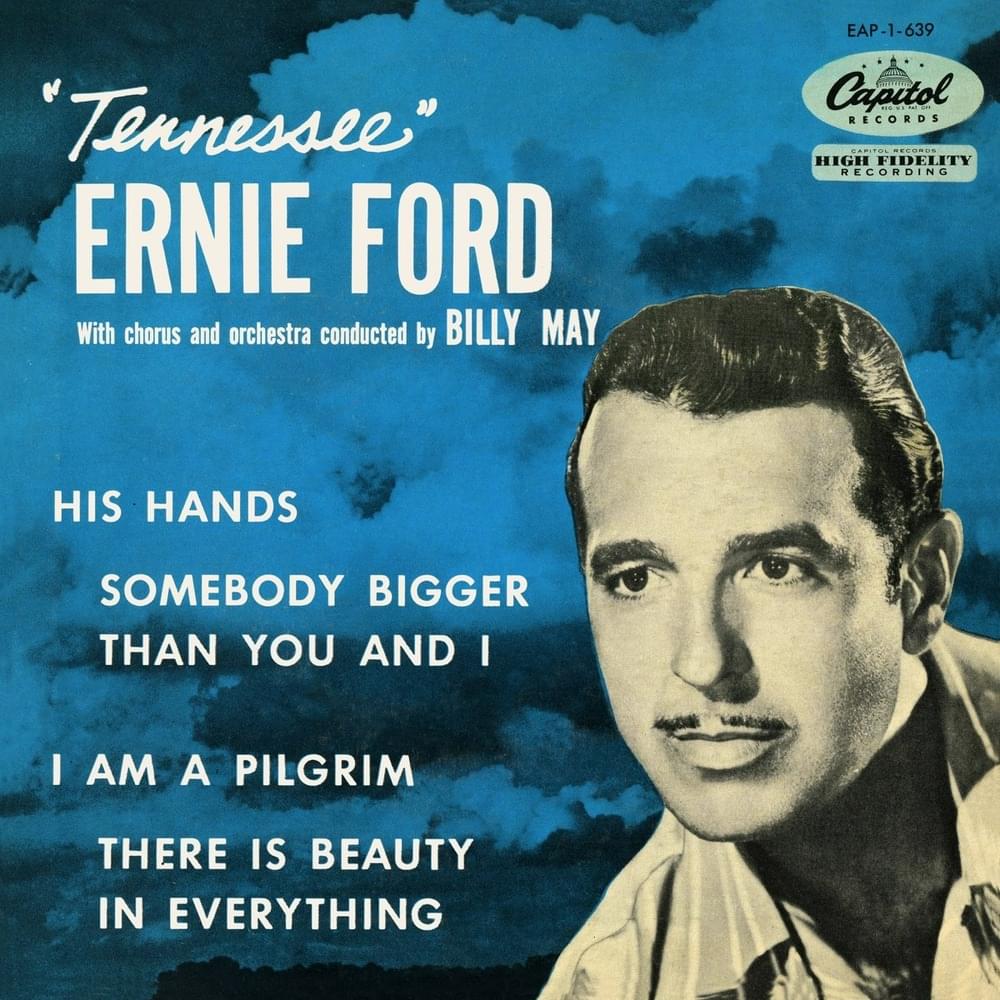
Tennessee Ernie Ford's rendition of "I Am a Pilgrim" isn't just a song; it's a stark declaration of spiritual itinerancy. Stripped of earthly comforts and familial ties, the lyrics paint a portrait of a soul in transit, finding solace not in the tangible world but in the promise of a divinely constructed home. The opening lines, repeated as a haunting refrain, establish this sense of rootlessness, of navigating a 'wearisome land' with eyes fixed on a celestial horizon. It speaks to a profound alienation, a feeling of not quite belonging in the here and now, a sentiment that resonates deeply in our modern, often disconnected existence. The phrase 'not made by hand' is particularly resonant, rejecting the manufactured and embracing the authentically divine. The 'yonder city' becomes not just a place but a state of being, a rejection of earthly artifice in favor of a transcendent reality.
The song's emotional core lies in its evocation of loss and longing. The mention of a mother, sister, and brother already residing in this 'sweet home' underscores the pilgrim's journey as one driven by reunion and the comfort of familiar souls. This isn't just about escaping earthly suffering; it's about reconnecting with loved ones in a space beyond earthly limitations. The 'other shore' isn't just a geographical destination; it's a metaphor for the afterlife, a space of ultimate belonging. This familial thread adds a layer of vulnerability to the pilgrim's resolve, highlighting the deeply human desire for connection that underpins even the most devout spiritual quest.
Finally, the pilgrimage culminates in the symbolic act of purification at the River Jordan. This baptismal imagery speaks to a cleansing of the 'weary soul,' a shedding of earthly burdens in preparation for the final ascent. The desire to 'touch but the hem of His garment' encapsulates the essence of faith – a belief in the transformative power of divine grace. It's a moment of profound humility, recognizing one's own limitations and placing trust in a higher power. Ultimately, Ford's "I Am a Pilgrim" is less a song of despair and more a testament to enduring hope, a recognition of earthly transience, and a resolute faith in a home beyond our own making.
 View Artist