Song Meaning
These lyrics open with a speaker grappling with an unexplained past event, hinting at a shared history with someone they "think about." Time itself is personified as a "partner in crime," suggesting a long, perhaps illicit, connection. The central image of a "big caravan" emerges as a grand, conditional proposition for the future.
The emotional core of the lyrics lies in the speaker's profound isolation, declaring, "Now I'm the only one / Left in the house of fun." This vivid contrast between past revelry and present solitude amplifies the longing in the repeated offer: "And if you come with me / And if they understand." The speaker's future, and the presentation of their grand vision, hinges entirely on another's presence and external acceptance.
The most striking craft element appears in the repeated chorus. Initially, the speaker promises to "present my dream / And my big caravan." However, the second iteration subtly shifts, changing "dream" to "scheme." This single word choice profoundly alters the listener's perception. A "dream" is aspirational and pure; a "scheme" suggests something more calculated, perhaps risky, or even a little manipulative, casting a shadow of ambiguity over the speaker's grand plans.
Ultimately, these lyrics are effective because they weave together an unexplained past, a poignant present solitude, and an ambitious, yet unsettling, future. The conditional nature of the offer, coupled with the subtle but significant shift from "dream" to "scheme," creates a complex emotional landscape. It leaves the listener wondering about the true nature of the "caravan" and the speaker's ultimate intentions, making the plea for companionship all the more compelling and fraught with tension.
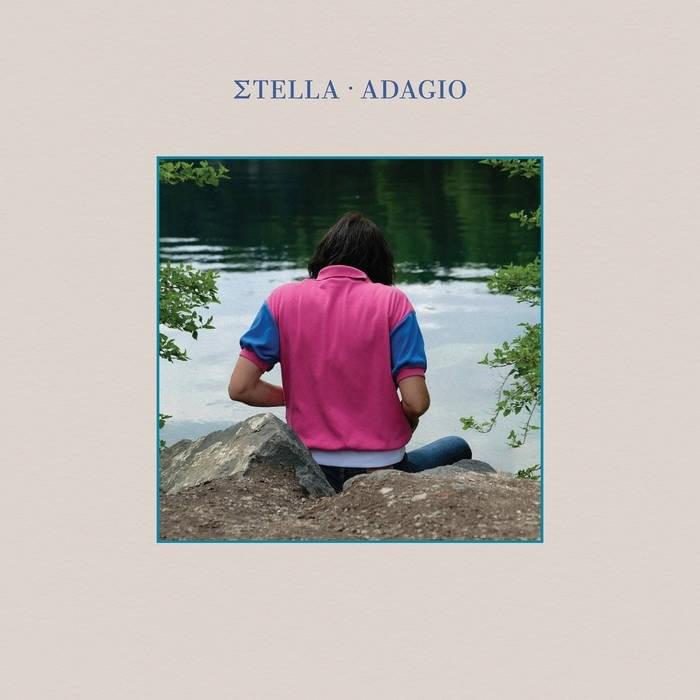
 View Artist