Song Meaning
The lyrics paint a picture of someone grappling with a deeply destructive presence, acknowledging its inevitability and profound negative impact. The narrator understands this person is like an "ocean / After the storm has come," a force that arrives to permanently alter the landscape, and the "silence / After the sound has gone," signifying a void left in their wake. This isn't a fleeting annoyance; it's a fundamental shift, a new, unsettling normal.
There's a stark contrast between the narrator's clear-eyed perception and the difficulty of accepting it. They admit, "just the smallest / Part of the world belongs / To me," suggesting a feeling of powerlessness or diminished ownership in the face of this other person's influence. The narrator isn't deluded, stating, "I'm not a blind man," yet the core struggle is that "truth is the hardest thing / To see," implying a cognitive dissonance where the mind knows the reality but the heart or will struggles to fully process or act upon it.
The chorus hammers home this central, painful realization with stark repetition: "I know / That you're the worst thing / In all of the world / For me." This isn't a general condemnation but a deeply personal one, emphasizing the specific, devastating effect this person has on the narrator. The phrasing "worst thing" is absolute, leaving no room for nuance, and the repetition underscores the inescapable nature of this knowledge.
This lyrical construction creates a powerful sense of resigned despair. The repeated "I know" at the start of each section signifies a painful certainty, a truth the narrator cannot escape. The imagery of post-storm calm and post-sound silence suggests a world irrevocably changed, leaving the narrator in a state of quiet devastation. The effectiveness lies in this blunt, unvarnished confession of a destructive truth that the narrator can see but seems powerless to overcome.
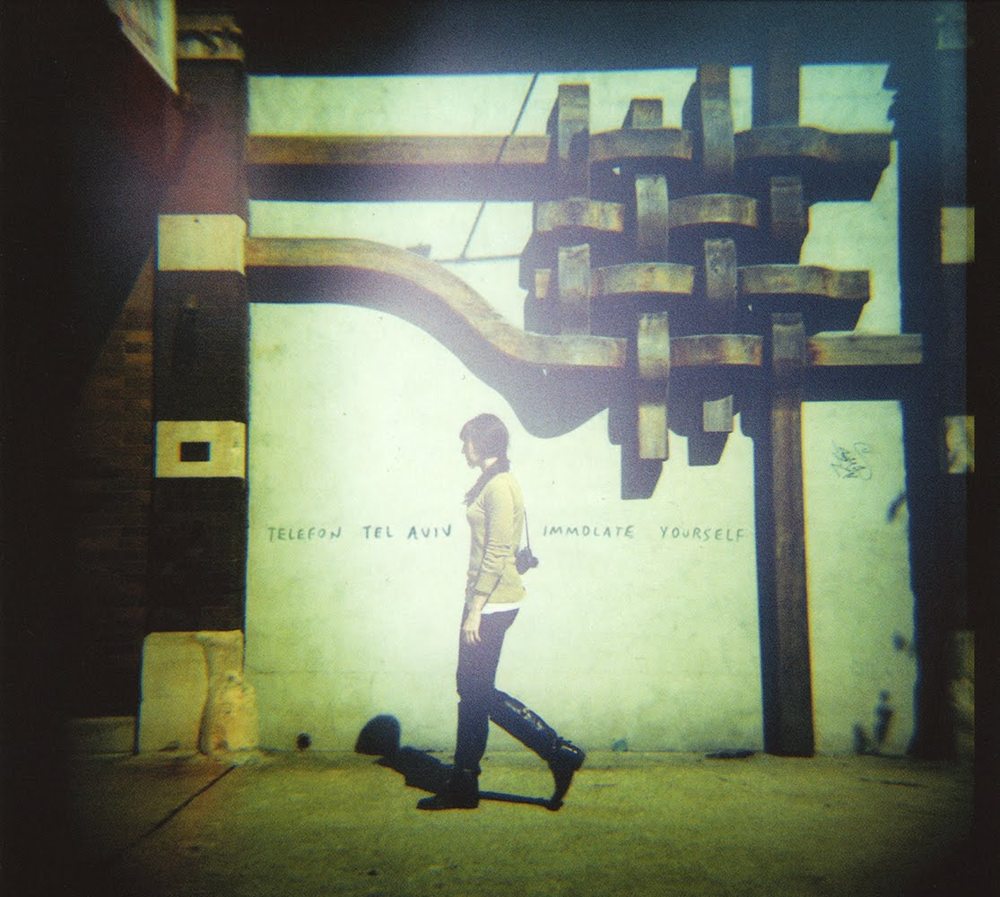
 View Artist