Song Meaning
The lyrics open with a stark image: "Words the town hid" vanishing into a "dobugawa" – a gutter or sewer river. This immediate sense of urban secrets and discarded truths sets a melancholic, almost wistful tone. Fleeting "transparent fragments" offer a brief, delicate counterpoint to the murky depths.
This tension deepens as a "spring sky where lies blurred" reflects in the same river, mirroring "two people shifting." The imagery suggests a beautiful facade masking deception, with the river acting as a subconscious mirror for hidden realities and unstable identities. There's a quiet unease about what's truly beneath the surface, both in the environment and in relationships.
The most striking element arrives with a direct address, "Hey, big brother," shattering the observational distance. The speaker then delivers a profound, almost defiant statement: "I'm not a woman. But I'm not a man either." This immediate challenge to binary identity is then amplified by the revelation that the speaker is "your own self that you hid, your shadow." This isn't just about gender; it's about a suppressed, perhaps uncomfortable, aspect of the addressed person's own being, brought to life and speaking directly.
These lyrics are effective because they masterfully build from subtle, atmospheric observations to a deeply personal and unsettling confession. The "dobugawa" evolves from a literal urban detail into a potent metaphor for the unconscious, holding both discarded secrets and uncomfortable reflections. The final twist – that the speaker is the listener's own hidden "shadow" – forces a re-evaluation of everything that came before, creating a powerful sense of introspection and a haunting connection between two seemingly separate entities.
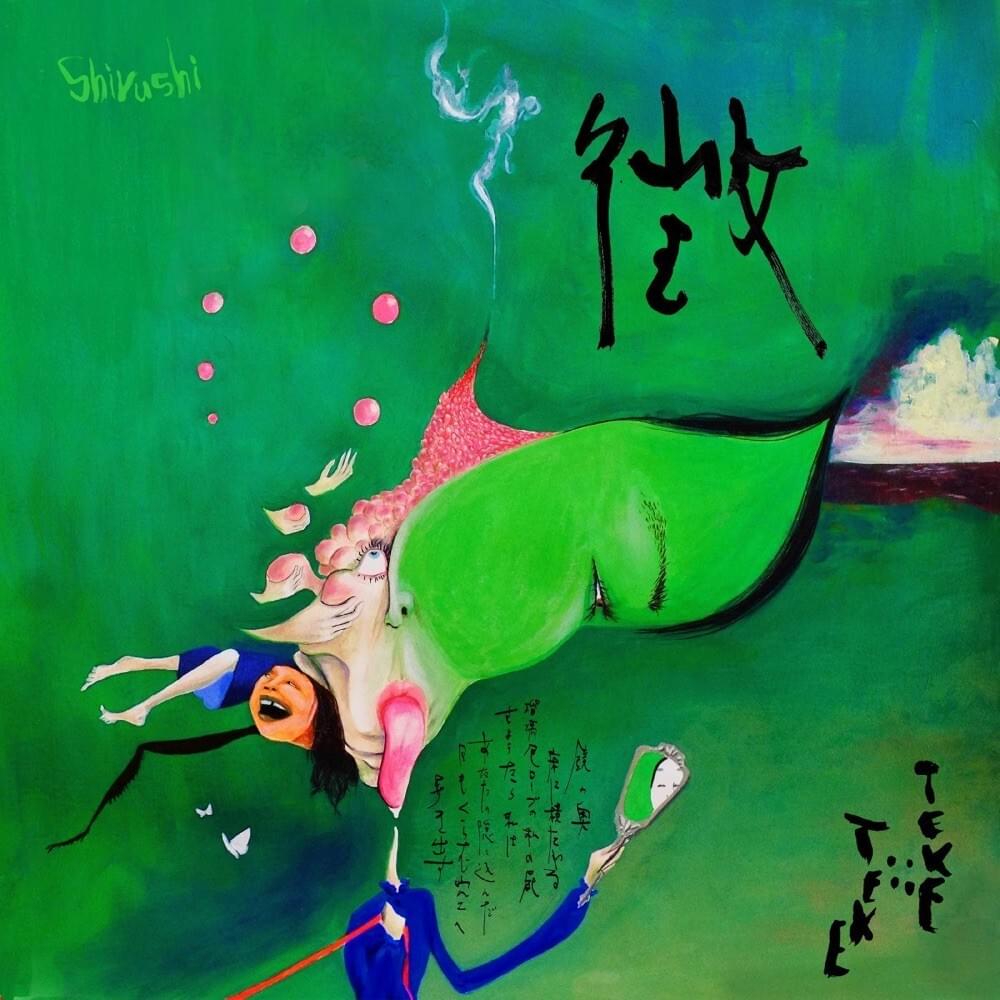
 View Artist